The Invisible Component Reshaping Global Bed Manufacturing: Why Folding 10CM Board Bed Frames Are Becoming a Strategic Sourcing Priority
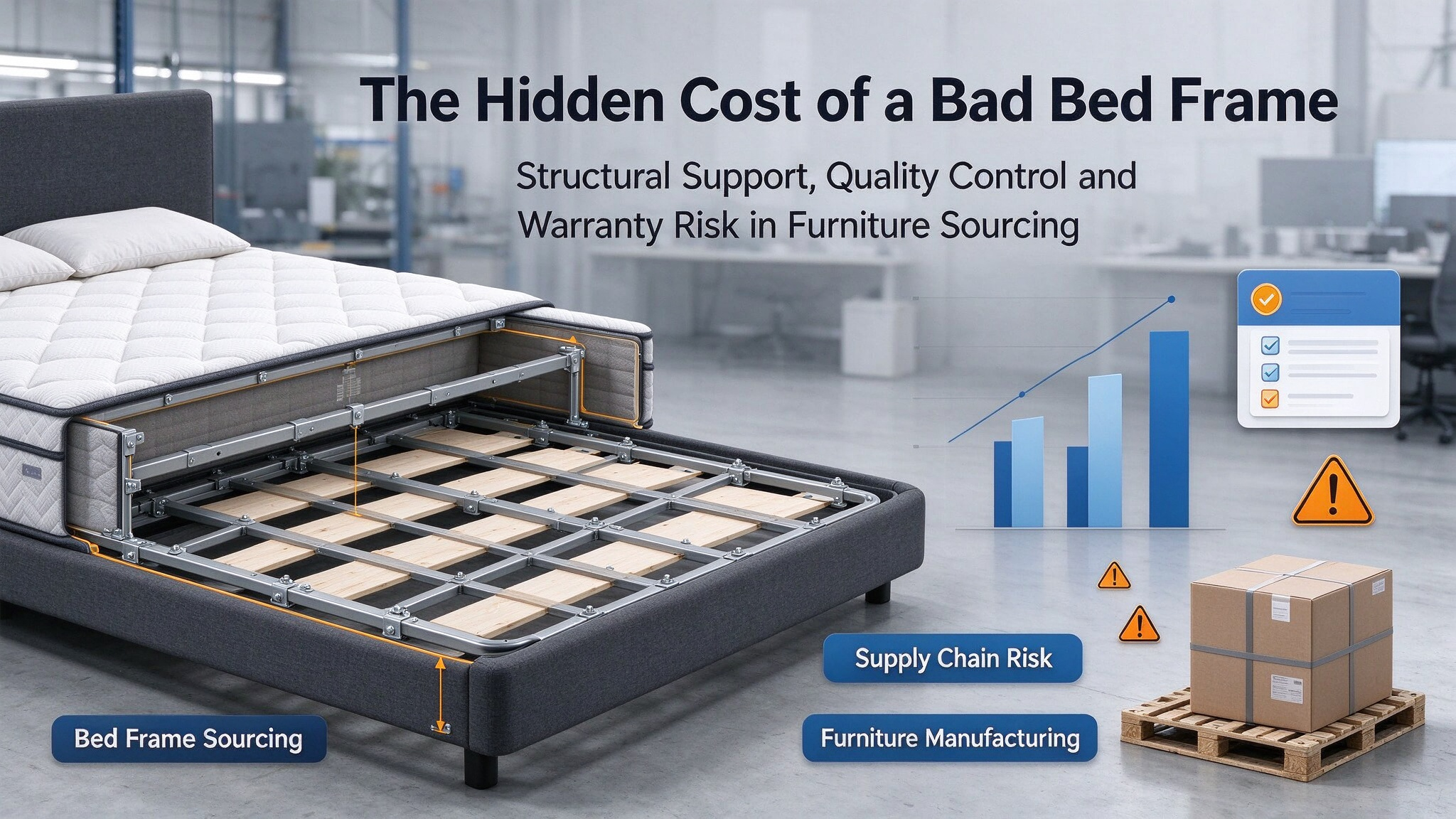
In the global furniture supply chain, the component that rarely appears in a consumer-facing brochure is often the one that determines whether a finished product succeeds or fails in the market. The folding bed skeleton frame is one such component. For upholstered bed manufacturers, soft bed brands, and OEM/ODM procurement teams, the specification of the internal support system is not a peripheral decision—it is a foundational one that affects structural integrity, shipping efficiency, assembly labor, and ultimately, end-user satisfaction.
The market context makes this specification more consequential than ever. The global bed frame market is projected to maintain a compound annual growth rate of approximately 4.2% through 2035, driven by premiumization and e-commerce expansion . Asia-Pacific dominates the supply side with an estimated 40% share of global bed frame demand, anchored by manufacturing hubs in China, Vietnam, and India . But the sourcing dynamic in 2026 is not simply about volume. International buyers are increasingly prioritizing partner quality, consistent execution, and the ability to maintain stable production across large-scale orders .
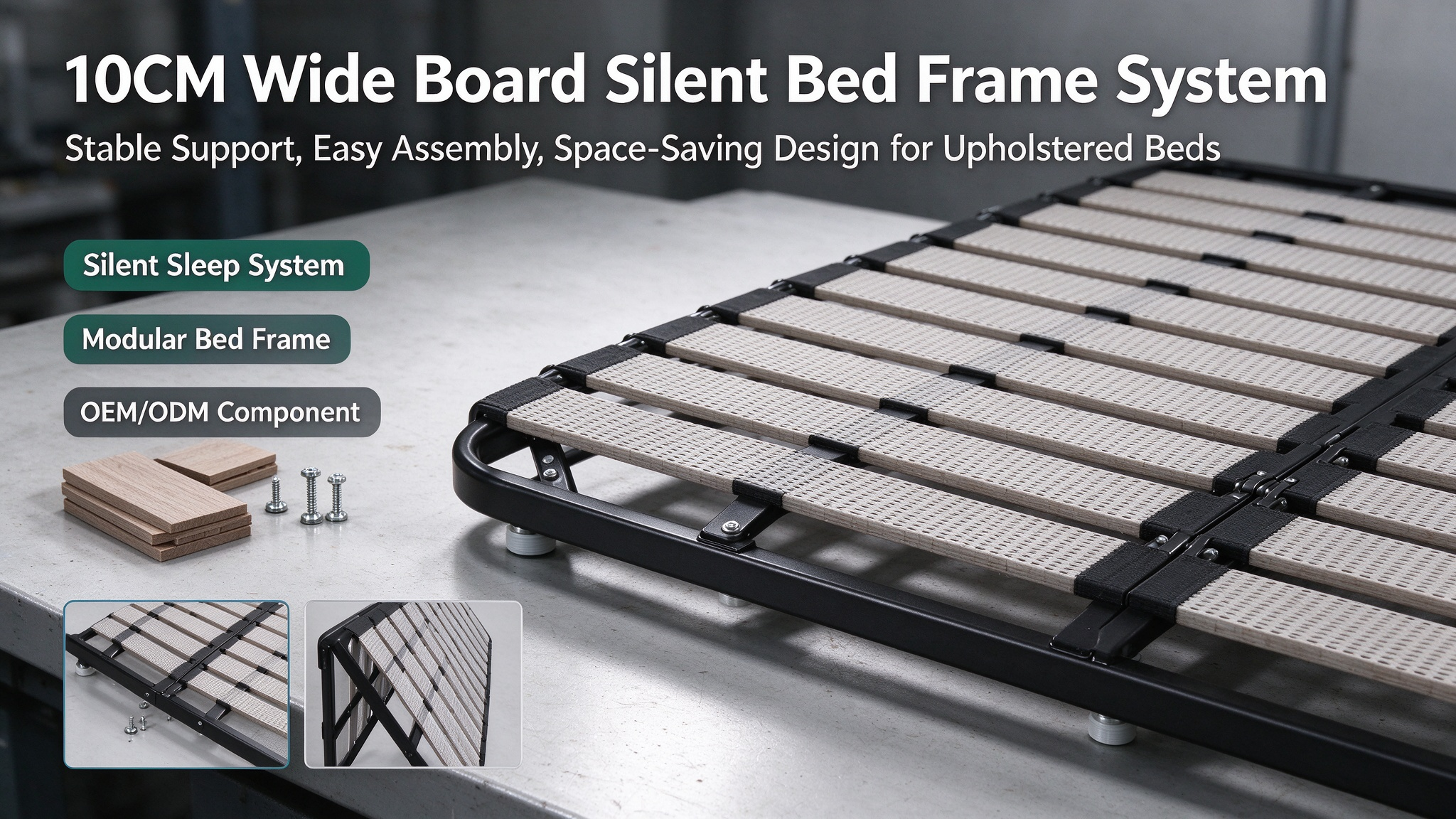
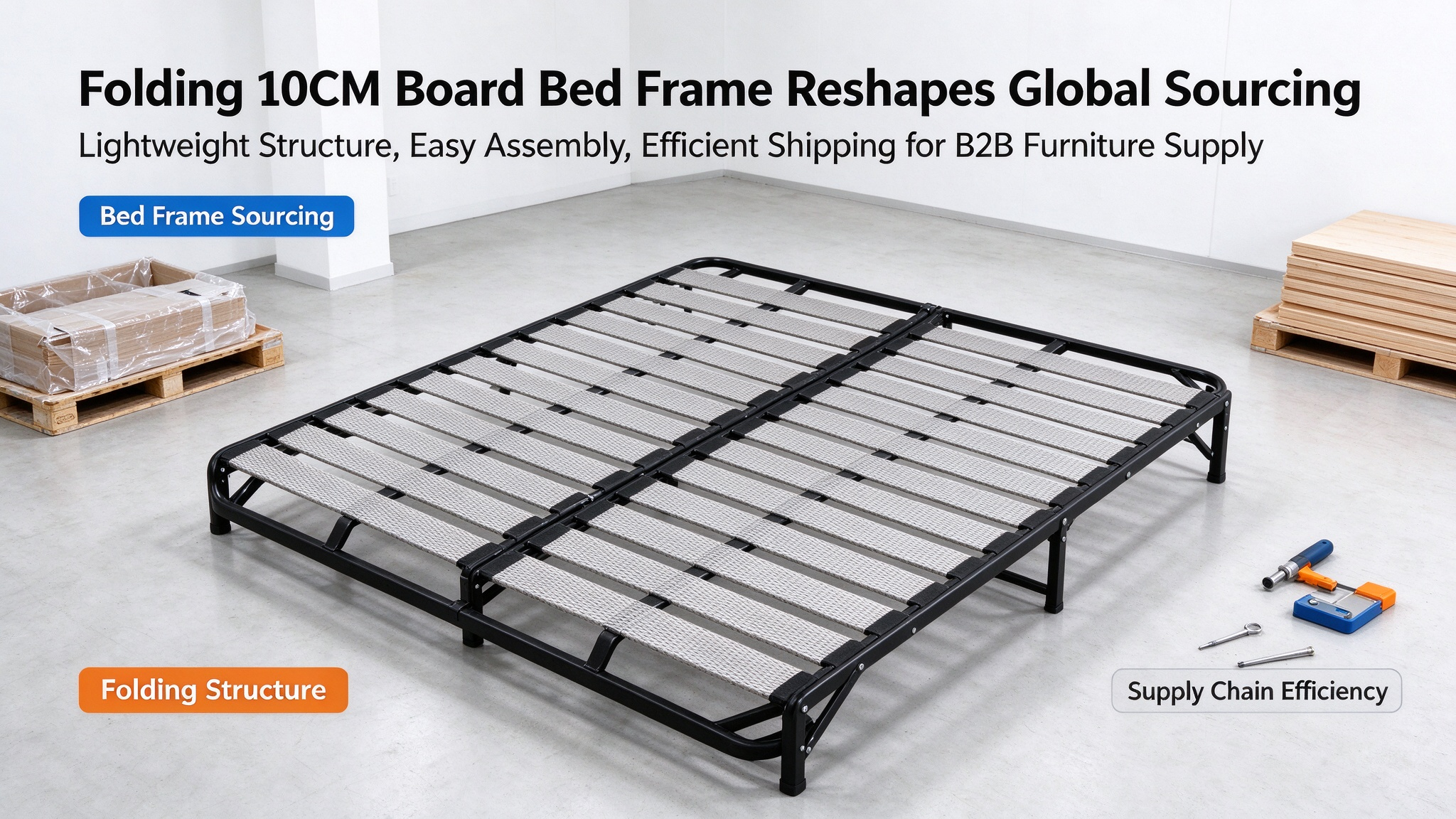
The Folding 10CM Board Wide Silent Bed Frame enters this landscape as a component engineered for the specific pressures facing B2B buyers today.
The Logistics Equation: Folding Structure as a Competitive Lever
For manufacturers shipping upholstered beds and soft bed systems, container utilization is a direct margin driver. A non-folding bed frame occupies volume proportional to its finished dimensions, limiting the number of units that can be loaded per container and inflating per-unit freight costs. The folding structure of this frame reduces the packed volume without compromising the structural footprint at final assembly.
This matters because the global upholstered furniture market—the downstream category that consumes these frames—is projected to grow at a CAGR of approximately 5.0% through 2030, with North America holding a 38.35% share of the market in 2025 . U.S. buyers in particular prioritize delivery convenience and logistics efficiency, while suppliers must address flammability rules, chemical safety expectations, and reliable fulfillment . A folding frame that packs efficiently and assembles predictably supports both sides of that equation.
Silent Support: The Engineering Behind Sleep Quality
The “silent” designation on this frame is not a marketing embellishment. Wood slat systems with properly spaced and secured slats distribute load more evenly than rigid platforms and reduce the friction that produces squeaks and creaks over time. For upholstered bed manufacturers, this translates into fewer warranty claims and higher customer satisfaction scores—metrics that contract buyers and retail brands track closely.
The frame’s metal support structure combined with a wood slat system reflects a design philosophy that aligns with broader material trends in the upholstered furniture sector. Fabric held a 59.33% market share in 2025, supported by performance chemistries that balance cost and durability, while wood sourcing increasingly requires certified sustainability credentials under regulations such as the EU Deforestation Regulation . A bed frame that pairs metal structural integrity with responsibly sourced wood slats positions the finished product favorably for compliance-conscious buyers in European and North American markets.
OEM/ODM Flexibility: The Specification Advantage
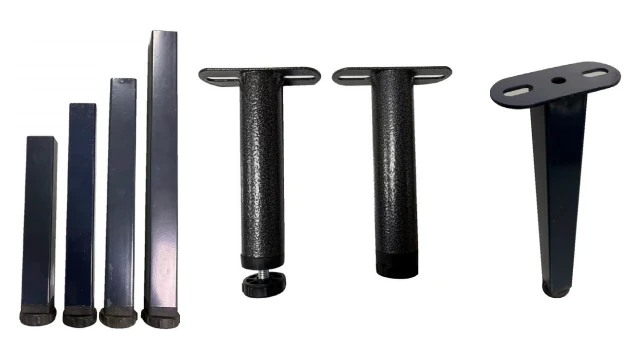
The product listing specifies customization across size, folding structure, slat spacing, support layout, accessory matching, and surface treatment. For B2B buyers, this flexibility is not a minor convenience—it is a strategic asset. Upholstered bed brands serving different regional markets require different frame dimensions, load ratings, and assembly tolerances. A supplier capable of drawing-based customization and sample-based production reduces the friction of adapting a platform design to multiple SKUs without sourcing from multiple vendors.
This capability is particularly relevant in the context of current sourcing patterns. Case goods importers are increasingly focused on which countries can provide quality products at scale, with consistency and predictability . While China remains a major production hub, buyers are evaluating suppliers on execution reliability rather than price alone . A manufacturer offering OEM/ODM services with documented customization processes addresses that evaluation directly.
Application Context: Where This Frame Fits
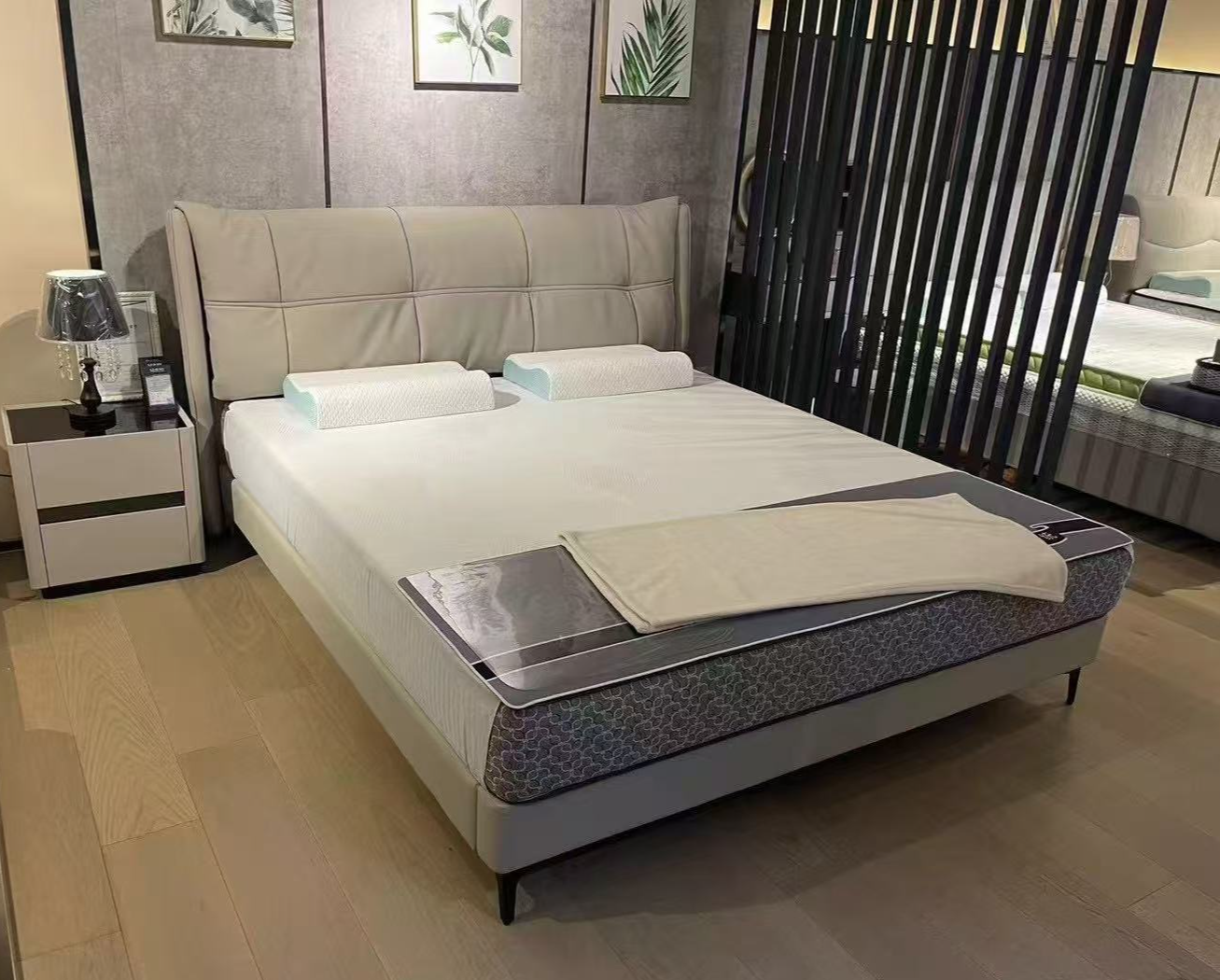
The frame’s primary applications—upholstered beds, soft beds, custom bed systems, and furniture factory production—place it at the center of the residential furniture value chain. In the contract and institutional segment, which includes dormitories, staff housing, and hospitality projects, buyers prioritize sturdy construction, easy assembly, and low maintenance . The folding structure and metal-wood hybrid construction of this frame align with those requirements, particularly for projects requiring volume deployment and efficient installation.
For furniture factories producing for e-commerce channels, the frame’s packing efficiency and silent-operation characteristics support the two metrics that matter most in online retail: shipping cost per unit and customer review scores.
Conclusion: The Component That Decides the Outcome
The global furniture market is projected to reach US$737.91 billion in 2026, with living room furniture alone accounting for US$215.85 billion . Within that vast market, the bed frame is a component, not a headline product. But for the manufacturers and procurement teams sourcing it, the choice of frame determines whether a finished bed ships profitably, assembles cleanly, and performs silently for years.
For B2B buyers evaluating suppliers for the 2026 sourcing cycle, the question is not whether a frame can support a mattress. It is whether the supplier behind that frame can support a product line—consistently, at scale, and with the customization flexibility that regional markets demand.
Company Information:
Company Name: Foshan Nanhai Shilong Metal Products Factory
Phone: +86 13630194060
Email: shilonghuo@163.com
WhatsApp: +86 15813669448