How Should Buyers Evaluate Floating Bed Frame for Bed Frame Projects?

A bed frame buyer evaluating a floating bed frame should confirm more than the visual “suspended” effect. The decision should cover the support structure, hidden or visible support layout, mattress and surrounding bed compatibility, installation points, hardware matching, surface finish, assembly method, sample approval, packing and supplier evidence before comparing factories. Floating-style frames can create a clean modern appearance, but that appearance depends on correct structural support and installation geometry. For B2B furniture projects, the safest route is to translate the design concept into drawings, dimensions, load expectations, component scope and RFQ evidence before shortlisting a supplier.
Floating Bed Frame Evaluation Starts With the Intended Bed Design
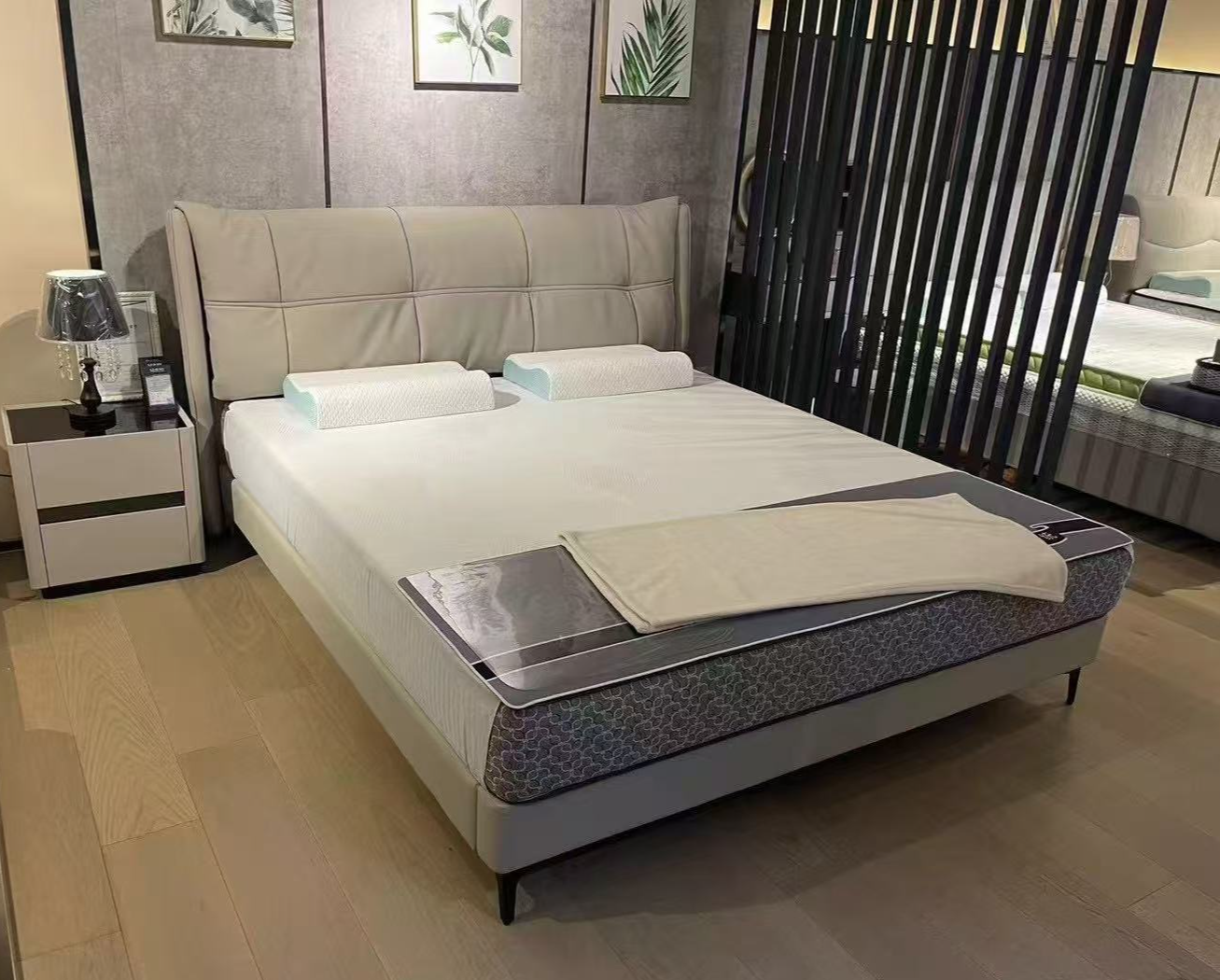
A floating bed frame is usually purchased because the finished bed needs a lighter visual appearance or a concealed-support look. For a furniture brand, mattress company or upholstered-bed manufacturer, that design goal must be turned into a manufacturing requirement. The supplier cannot safely quote only from the phrase “floating bed frame” because the hidden-support concept can be built into different bed systems.
The buyer should first define the finished bed type. Is the frame used under an upholstered bed base, a platform bed, a suspended-style bed, a modern bedroom collection, or a custom functional furniture project? Does the product need to work with a specific headboard, side rail, bed box, panel base or decorative surround? Will the frame be fully hidden after assembly, partly visible, or intentionally exposed as part of the design?
These questions change the RFQ. A frame hidden inside an upholstered structure may prioritize connection points, support distribution and packing convenience. A floating-style platform bed may need careful review of setback distance and visible balance. A custom collection may require matching hardware, finish, sample review and repeat-order consistency.
Shilong’s bed frame product category gives buyers the broader product family, but a floating bed frame quotation should still begin with the buyer’s own finished-bed design and assembly environment.
The Floating Effect Is a Structural Layout Decision
The word “floating” can be misleading if it is treated only as a style term. In production, the effect depends on where the support points are placed, how far they are recessed from the visible bed edge, how the mattress platform is supported, and how the surrounding furniture parts distribute load into the floor or base structure.
The target product record for Floating bed frame describes a suspended metal bed skeleton frame and a metal frame support system for suspended bed design. It also identifies hidden-style support, modern bed structure matching, functional bed frame support and custom assembly as part of the product function. Those details support the article topic, but they do not define every buyer’s final geometry.
For RFQ purposes, the buyer should provide a drawing or sketch that shows the finished bed outline, frame position inside the bed, support-leg or support-point layout, connection holes, bracket locations and the visible setback expected after assembly. If a supplier quotes without this information, the buyer may receive a frame that supports the mattress but fails the intended appearance or assembly method.
The key relationship is simple: visible bed design → hidden support position → load path → assembly method → sample acceptance. If one part of that chain is undefined, the supplier may interpret the floating bed differently from the buyer.
Frame Size, Mattress Fit and Support Distribution Must Be Confirmed Together
Size is not only the external length and width of the frame. A bed frame must match the mattress size, bed surround, slat or platform system, connection hardware and packing method. For floating bed frame projects, the visible frame may be smaller than the mattress or outer bed body because part of the support system is intentionally hidden.
The buyer should state the mattress size standard used in the target market, the exact finished-bed dimensions, the required support area, and whether the frame must fit a headboard, side panels or upholstered base. If the buyer uses terms such as queen, king or full, those terms should be supported by actual dimensions because size naming can vary by market.
Support distribution is equally important. A concealed support system must still carry the mattress and user load through a stable structure. The supplier should confirm how support points, cross bars, center support, frame members or brackets are arranged according to the buyer’s drawing. Do not assume a universal support layout from the product name.
A sample review should check the relationship between mattress support, frame position and the visual floating effect. A frame can be dimensionally correct on its own but still create edge sag, unwanted visibility or assembly interference when combined with the buyer’s bed shell.
| Evaluation Area | Buyer Input | Supplier Confirmation |
|---|---|---|
| Finished bed design | Bed type, visible outline, headboard or side-panel relationship | Whether the floating frame layout fits the intended finished product |
| Support layout | Hidden support position, support points, brackets and connection holes | Frame structure, support distribution and required assembly points |
| Mattress compatibility | Mattress size, support area and market size standard | Frame size, slat/platform support relationship and dimensional assumptions |
| Appearance boundary | How much of the support must be hidden or visible | Setback layout and sample acceptance method |
| Assembly environment | Factory assembly, customer assembly or project installation method | Hardware scope, instructions and installation sequence assumptions |
| Commercial scope | Quantity stage, packing and surface-finish requirement | Included components, packing scope, deviations and missing inputs |
This table helps compare suppliers without turning the article into a drawing manual. The point is to make every quotation answer the same finished-bed requirement.
Installation Points and Hardware Matching Control Assembly Risk
A floating bed frame project can fail at assembly even when the frame itself looks correct. The common risk is not only wrong size; it is a mismatch between the metal skeleton, wooden or upholstered structure, support hardware, side rail connection, foot position and decorative panels.
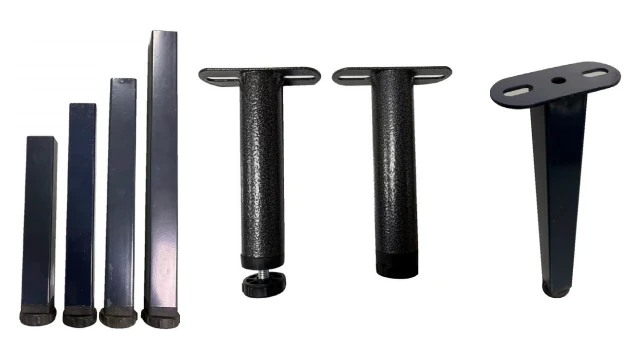
Buyers should provide the connection requirements early. Which parts are supplied by the buyer? Which brackets, bolts, feet, plates or accessories should the frame supplier include? Are the holes and brackets designed for a specific furniture structure? Does the frame need to connect to a headboard, storage body, upholstered surround or platform panel?
The supplier should return a scope statement that separates frame body, support members, hardware accessories, surface finish, sample parts, packaging and any excluded items. If hardware is not included, the quotation should say so. If the supplier proposes a modified bracket or hole position, the deviation should be reviewed before sample approval.
This is a procurement issue as much as a technical issue. A lower unit price may simply exclude hardware or require the buyer to solve installation later. For OEM and ODM furniture projects, those omissions can lead to assembly rework, delayed sampling or inconsistent batch production.
Surface Finish Should Match Visibility and Assembly Handling
Floating frames may be mostly hidden, partially visible or used in a design where some metal parts can be seen from certain angles. The required surface finish therefore depends on the finished-bed design. A fully hidden support frame may focus on corrosion protection and handling durability. A partially visible structure may need stricter appearance requirements.
The buyer should identify which surfaces are visible after assembly and what finish or color is required. If surface treatment is part of the order, the RFQ should describe the expected finish, sampling method, color reference if needed, and packaging protection. Do not assume a finish from the product page unless it is explicitly confirmed for the ordered version.
Finish decisions also interact with hardware and assembly. Coating thickness, hole masking, contact surfaces and moving or folding areas can affect fit if they are not planned. Where the frame includes concealed connection points, the supplier should confirm whether finished surfaces remain compatible with the selected hardware.
Sample Approval Should Test the Whole Bed System
A floating bed frame sample should not be approved by looking at the metal frame alone. It should be reviewed inside the intended bed structure or a representative mock-up. The sample needs to prove support layout, installation fit, visible effect, mattress support, hardware matching, finish condition and packing feasibility.
A strong sample review can include:
- checking the frame against the approved drawing;
- assembling it with the buyer’s headboard, side panels or bed base components;
- confirming that support points are hidden or visible as intended;
- placing the intended mattress or support surface on the frame;
- checking bracket, foot and hole alignment;
- reviewing surface finish and handling marks;
- confirming packing method and component labeling;
- recording any approved deviation before batch production.
The approved sample should become the reference for later orders. If a future production batch changes bracket position, support structure, hardware scope or finish, the supplier should declare the change rather than treating it as a minor manufacturing adjustment.
Supplier Evidence Should Be Project-Specific
A floating bed frame supplier should provide evidence tied to the buyer’s product, not only a general factory introduction. Useful evidence may include a dimensioned drawing, product photos, sample report, packing list, hardware list, finish sample, assembly notes and a deviation list. The buyer should check what each item proves.
| Evidence Requested | What It Should Prove | Risk If Missing |
|---|---|---|
| Dimensioned drawing | Frame size, hidden support layout, hole positions and support points | Supplier and buyer may approve different geometry |
| Hardware list | Which brackets, bolts, feet and accessories are included | Assembly components may be missing from the quote |
| Sample photos or sample review | Visual floating effect and relationship to the bed body | The final appearance may not match the buyer’s design |
| Assembly notes | Installation sequence and buyer-supplied components | Factory or end-user assembly may require rework |
| Packing plan | Protection, labeling and component separation for bulk orders | Parts may arrive damaged or hard to match on the assembly line |
| Deviation list | Any difference from the buyer’s drawing or requested scope | Unapproved changes can enter sample or production |
Evidence should not be collected for decoration. It should support a purchasing decision: whether the supplier understands the floating structure, can define the scope clearly, and can prepare a sample that represents future production.
How Should Buyers Use the Floating Bed Frame Product Page?
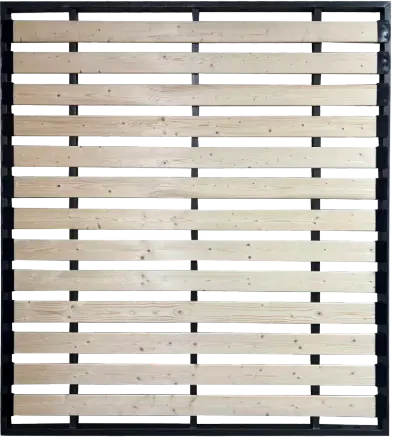
The Floating bed frame page is the target product detail page for this topic. It should be used as a product reference for a suspended metal bed skeleton frame and as a starting point for evaluating support layout, hidden-style structure and custom assembly needs.
The page does not replace the buyer’s project specification. It does not by itself confirm the buyer’s mattress size, load requirement, hardware interface, finish, packaging method, market documentation or batch-approval process. Those items must be clarified in the RFQ and sample review.
The most useful way to read the product page is to ask: which part of this product direction matches my finished bed, and which part still needs a drawing, sample or supplier confirmation?
When Is a Floating Bed Frame Not the Right Choice?
A floating bed frame may not be suitable when the buyer’s design needs visible legs, under-bed storage, a very simple low-cost frame, a foldable packing structure, or a bed system where hidden supports interfere with drawers, mechanisms or decorative panels. It may also be unsuitable when the buyer cannot provide enough design information for the supplier to locate support points safely.
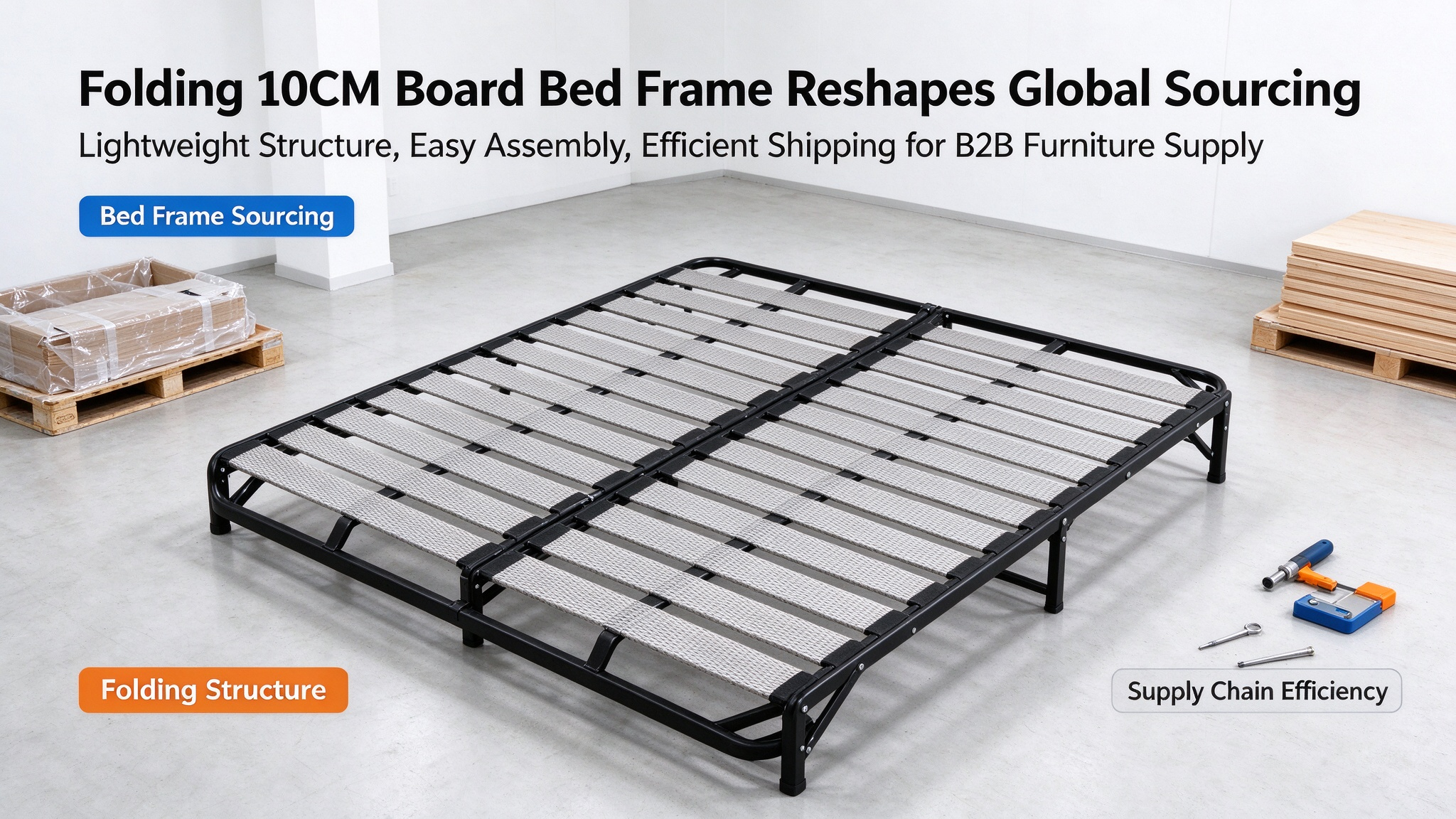
The decision also changes if the project prioritizes logistics and folding storage over the floating appearance. In that case, a folding bed frame product may be more relevant than a floating frame. If the project centers on a steel-wood slat structure, the buyer should evaluate a steel-wood pine bed frame instead.
This boundary prevents overextending the product. A floating frame is valuable when the visual and structural goals are aligned. It becomes risky when the buyer only likes the appearance but has not defined how the support system fits the real bed body.
Build the Final RFQ Around Product Fit and Sample Approval
A complete RFQ for a floating bed frame project should include:
- finished bed type and target market size standard;
- mattress size and support area;
- outer bed dimensions and frame position inside the product;
- hidden or visible support layout requirement;
- support-point, bracket, foot and connection-hole drawings;
- headboard, side rail, upholstered base or panel interface;
- required hardware and excluded buyer-supplied components;
- surface finish and visible-surface requirements;
- sample quantity and sample-approval method;
- packing, labeling and bulk-order handling requirements;
- supplier deviations, alternatives and missing technical inputs.
Ask the supplier to return the offer as Confirmed Frame Layout / Included Hardware / Sample Scope / Finish Scope / Packing Scope / Deviation / Buyer Input Required. After the floating effect, structure and assembly evidence are aligned, buyers can submit a project inquiry through Shilong’s contact page with an RFQ that supports real supplier comparison.