Which King Size Bed Frame Wood Specifications Should Buyers Confirm Before an RFQ?
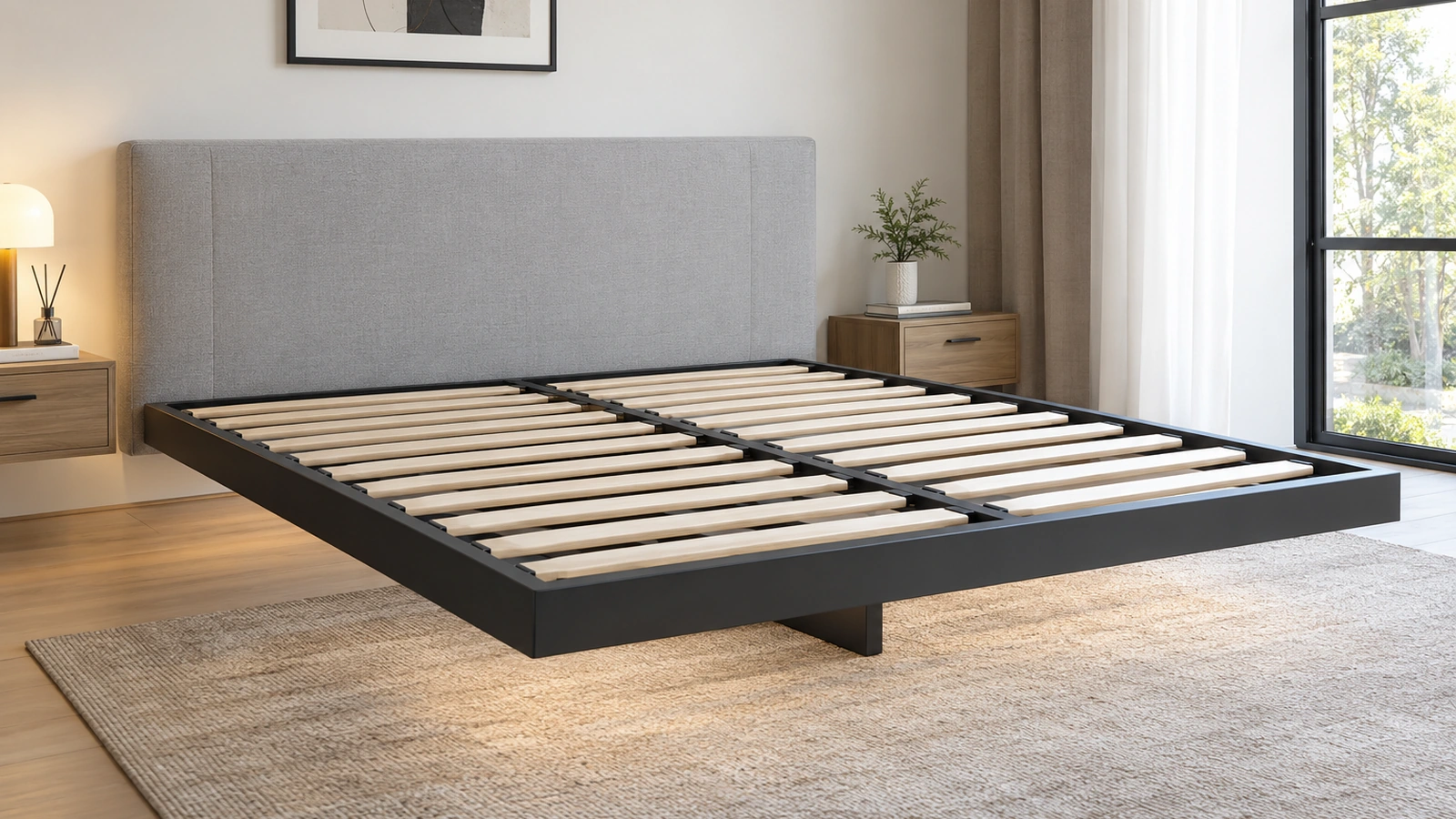
Before requesting a quotation for king size bed frame wood, buyers should confirm whether they need an all-wood bed frame or a steel-wood support frame, then define the mattress size standard, finished-bed structure, frame height, pine slat layout, metal frame interface, support points, bracket and foot positions, headboard or side-rail compatibility, surface finish, assembly method, packing and acceptance evidence. For Shilong’s 15cm Steel-Wood Pine Bed Frame, the RFQ should focus on the relationship between the metal skeleton and pine slat support, not a vague “king bed frame” label. Clear specifications make quotations comparable and reduce sample revision risk.
Clarify What “Wood” Means in the Buying Request
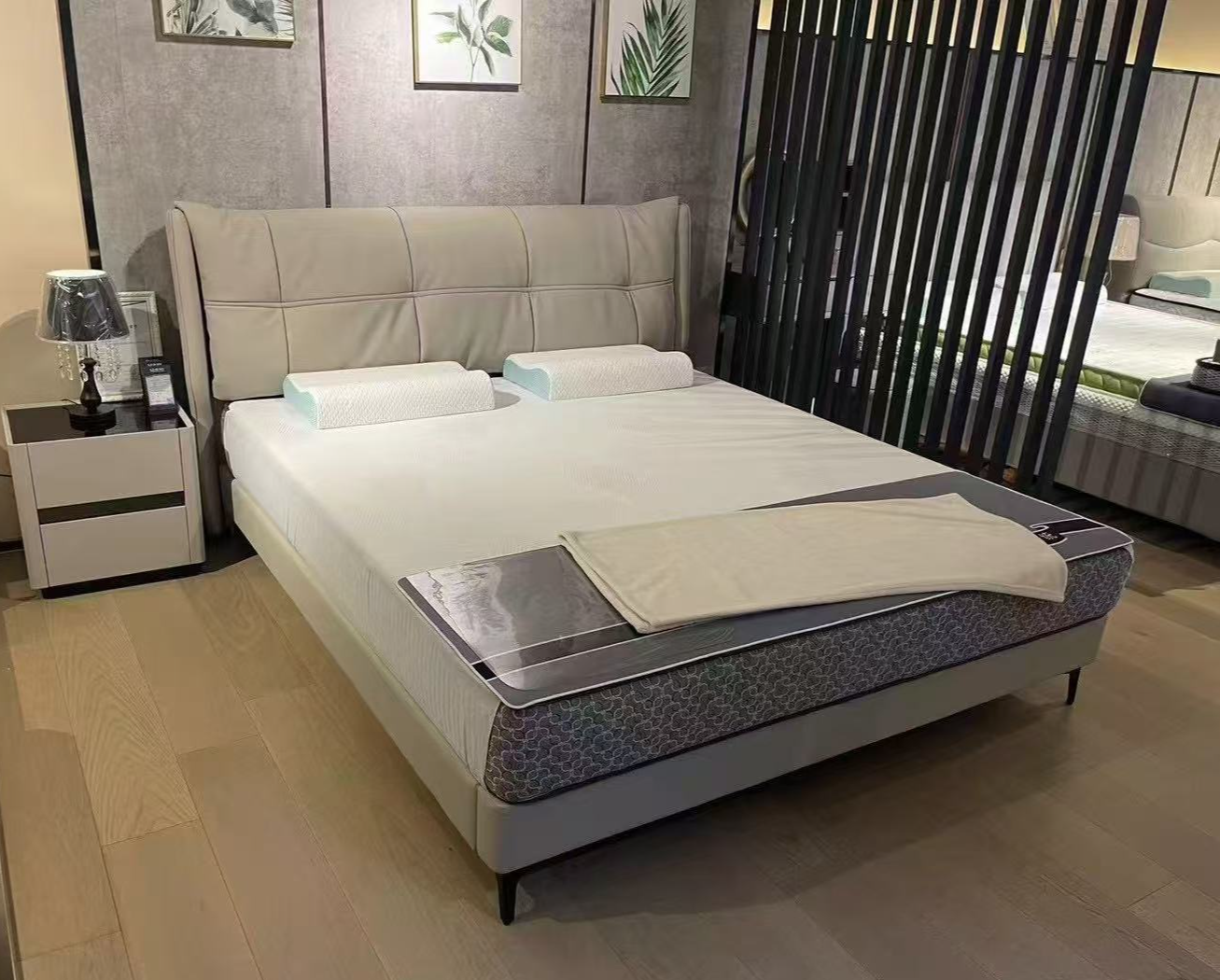
The keyword “king size bed frame wood” can describe several different products. Some buyers may want a full wooden bed frame. Others need a metal bed skeleton with pine slats, a wood-slat mattress foundation, or a steel-wood support frame used inside an upholstered or solid-wood bed system. These are different procurement scopes.
The target product for this topic is a 15cm Steel-Wood Pine Bed Frame. Its product record identifies it as a steel-wood bed skeleton frame with a metal frame and multi-point wood slat support layout. That means the buyer should not treat the quotation as a generic all-wood bed. The RFQ should specify which part is metal, which part is pine or wood slat, and how the frame connects to the buyer’s finished bed design.
This clarification matters because different suppliers may respond with very different products. One quotation may cover an all-wood platform bed. Another may cover only pine slats. Another may include a metal frame with wood slat support. Without defining the buying object, the price comparison will not reflect the same product.
Buyers can first review the broader bed frame product category to understand the available family, then narrow the RFQ to the exact steel-wood structure required for the project.
King Size Must Be Defined by Actual Mattress Dimensions
“King size” is not enough for production. Mattress size names can vary by country, product line and customer requirement. A B2B buyer should provide the exact length, width and tolerance expectation used by the target market or brand. The frame should then be reviewed against the mattress, side rails, headboard, footboard and any upholstered panels.
The key question is not simply whether the frame is “king.” It is whether the steel-wood frame supports the intended mattress size inside the buyer’s finished bed structure. If the outer bed shell, headboard or side rails are supplied separately, the supplier needs those interface dimensions. If the product is sold as a mattress foundation, the support area and edge support become more important.
For an OEM project, the RFQ should identify:
- actual mattress length and width;
- finished bed outer dimensions if different from mattress size;
- frame position relative to the bed surround;
- headboard, footboard and side-rail connection requirements;
- support area required by the mattress system;
- allowable assembly clearance defined by the buyer’s drawing.
If these fields are missing, the supplier may quote a king-size concept that still needs redesign after the sample is fitted to the buyer’s bed body.
The 15cm Height Should Be Treated as a Project Interface
The product name includes “15cm,” but buyers should still define what that height means in their project. Is it the frame height, a visible bed-base height, a support-structure height, or a specification reference used by the buyer’s furniture design? The product name alone should not be used as the complete dimension standard.
Height interacts with user experience, mattress thickness, side-panel depth, under-bed clearance, packaging volume and visual proportion. In a solid-wood bed, the frame height may need to align with side rails and support ledges. In an upholstered bed, it may need to sit inside a soft bed body without creating unwanted bulges or installation conflict.
The RFQ should include a dimensioned drawing that shows the vertical relationship between the metal frame, pine slats, mattress, side rails and support feet. Where the buyer uses a fixed finished-bed height, the supplier should confirm whether the frame can fit without changing support points or slat layout.
Do not infer load capacity, thickness or clearance values from the 15cm name. Those details should come from the buyer’s drawing or supplier confirmation for the exact order.
Pine Slat Layout Controls Mattress Support and Assembly
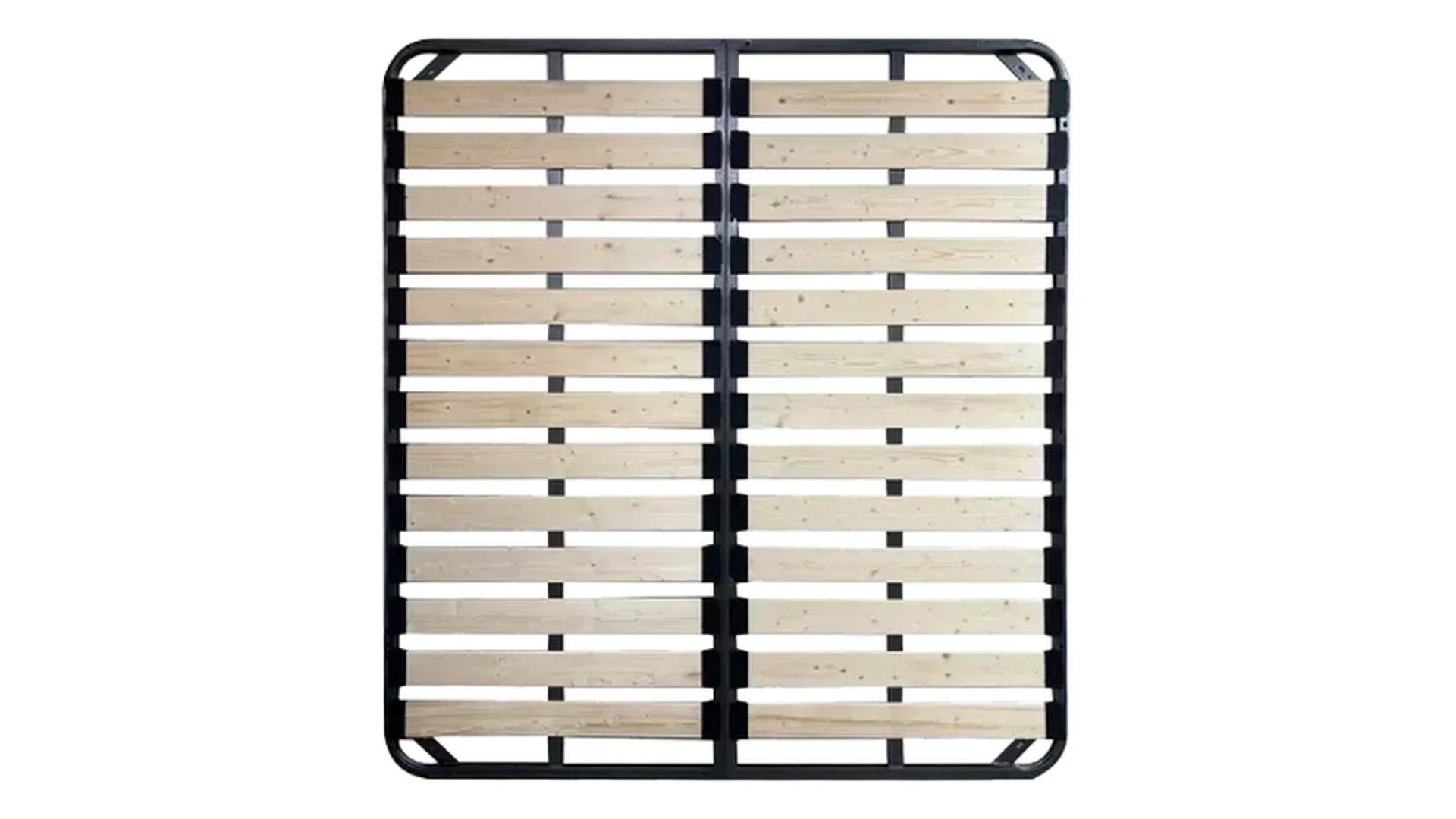
The steel-wood pine bed frame combines a metal frame with wood slat support. The slat layout is therefore one of the most important specification areas. Buyers should confirm slat quantity, slat spacing, slat width, slat orientation, support point layout and whether any center support or reinforcement is required by the finished-bed design.
Slat spacing is especially important because it affects how the mattress is supported across the frame. If the spacing is too wide for the buyer’s mattress system, the mattress may not sit as intended. If the slat layout conflicts with brackets or center supports, assembly may become difficult or unstable. The correct spacing should follow the buyer’s product design and mattress supplier requirements where applicable.
The supplier should not be asked to guess these values. A furniture factory or mattress brand should provide its own support requirements, or ask the supplier to propose a layout for sample review. Once the sample is approved, slat positions should be controlled for repeat production.
| Specification Area | Why It Matters | Buyer Verification |
|---|---|---|
| Mattress dimensions | Defines frame size and support area | Check exact length, width and market size standard |
| Steel-wood structure | Separates metal frame scope from pine slat scope | Review drawing, component list and included parts |
| 15cm height reference | Affects side-rail fit, mattress height and visual proportion | Confirm vertical relationship in the assembly drawing |
| Slat spacing | Controls mattress support and load distribution pattern | Approve slat layout through drawing and sample |
| Support points | Determines how load transfers through the frame | Check center support, feet and bracket positions |
| Hardware interface | Controls assembly with headboard, side rail or bed shell | Verify hole positions, brackets and included accessories |
The table should be used to guide the RFQ conversation. It does not define universal dimensions; it shows which variables must be fixed before price comparison.
Metal Frame, Brackets and Feet Should Match the Finished Bed
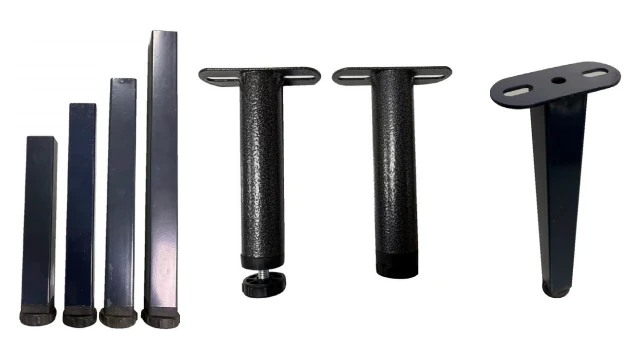
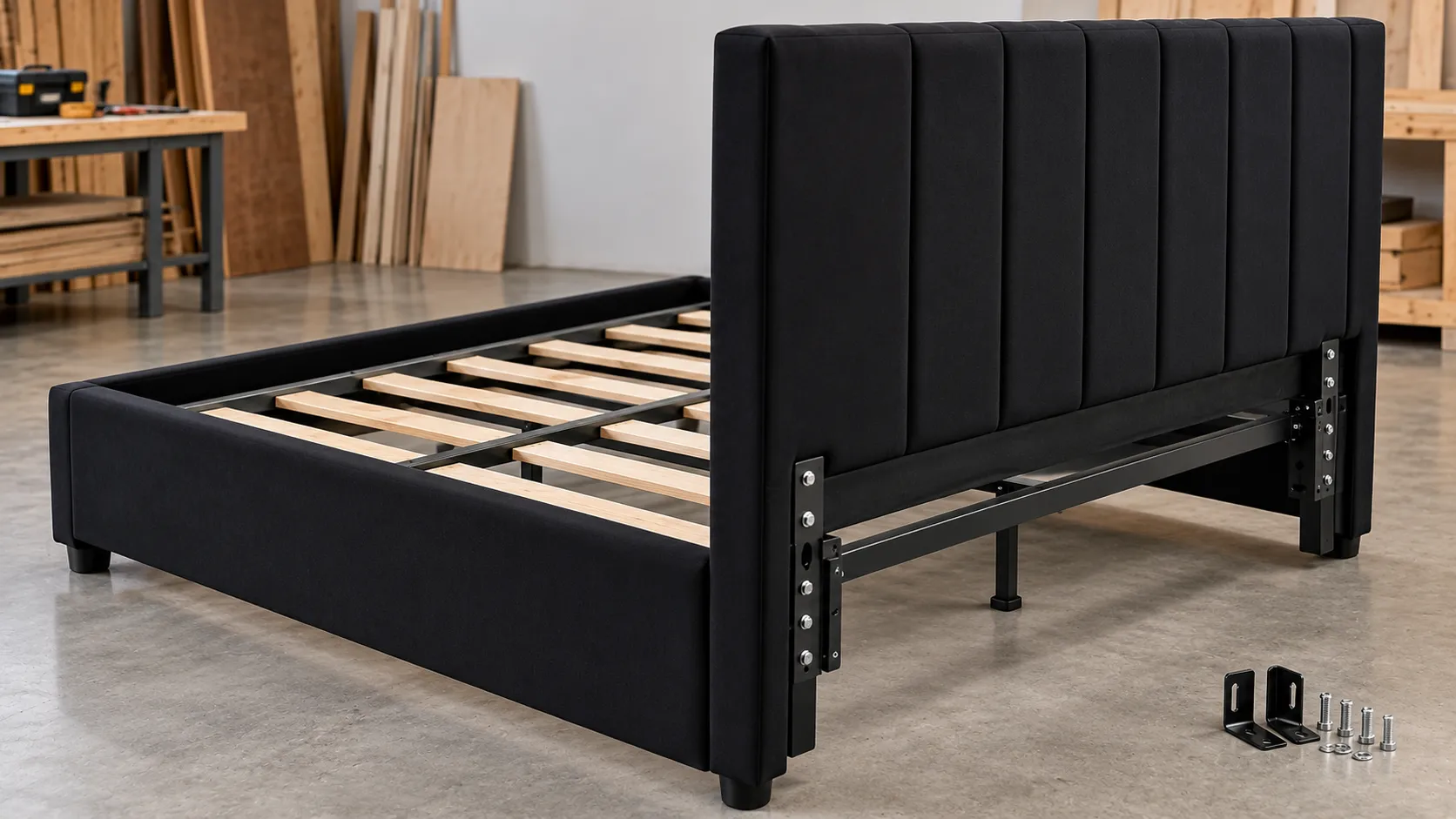
The metal skeleton is the part that links the wood slat support to the finished bed body. A quotation should therefore state frame layout, cross-support arrangement, support-point placement, bracket position, connection holes, feet and hardware scope. These details decide whether the steel-wood frame can be assembled into the buyer’s product without modification.
If the buyer’s bed includes a headboard, footboard, side rails, upholstered base or storage structure, those interfaces must be shown in the RFQ. A frame designed for one bed shell may not fit another without changed brackets or hole positions. Even when the mattress size is the same, the furniture interface can be different.
The supplier should identify included and excluded hardware. Matching feet, brackets, bolts or accessories may be included in one quotation and omitted in another. This is a common cause of false price comparison: one supplier quotes a complete bed support system, while another quotes only the metal frame and slats.
A buyer comparing quotations should request a component list. The list should identify frame sections, pine slats, brackets, feet, fasteners and any buyer-supplied parts. Without that list, later sample approval may become a dispute about what was included.
Surface Finish and Wood Appearance Need Separate Review
Steel-wood bed frames contain both metal and wood components, so surface review should cover both. Metal parts may need a defined surface treatment or color. Pine slats may require a specified appearance, sanding level, edge condition or other finish expectation depending on whether they are visible in the finished bed.
The buyer should separate functional finish from appearance finish. Hidden metal structures may primarily need protection and handling durability. Visible wood slats or exposed support parts may need closer cosmetic control. If the frame is fully hidden under a mattress and bed shell, the finish requirement may be different from a frame sold as a visible platform base.
Any surface requirement should be supported by a sample or reference. If the buyer expects a certain color, texture or visible condition, include a reference sample or agreed photo standard. If surface finish is not important because the part is hidden, state that too so suppliers do not quote unnecessary work.
Assembly Method Changes the Packaging and Hardware Scope
The same steel-wood pine bed frame can be quoted differently depending on how it is assembled. A furniture factory may assemble it on a production line. A wholesaler may sell it as a knock-down frame. A brand may require compact packaging for e-commerce or retail logistics. These situations change hardware, labeling, instructions and packing.
For B2B procurement, assembly method should be defined before quotation. The RFQ should say whether the frame is shipped fully assembled, semi-assembled, folded if the design supports it, or completely knocked down. It should also state whether the buyer needs individual hardware bags, carton labels, assembly drawings, part numbering or palletized bulk packing.
Packing is not a separate afterthought. It affects carton size, slat protection, metal-surface protection, hardware control and warehouse handling. A low quote that excludes detailed packing may not be lower after export or retail requirements are added.
If the buyer’s product line includes multiple bed sizes, the supplier should confirm how parts are identified to avoid mixing king-size components with other sizes in warehouse or assembly operations.
Quality Checks Should Focus on Fit, Support and Repeatability
Quality inspection for a king size steel-wood pine bed frame should follow the buyer’s actual risk points. The most important checks usually include frame dimensions, slat layout, bracket position, support-point alignment, hardware completeness, surface condition and packing accuracy.
A dimensional check should verify the features that control assembly. General length and width matter, but bracket locations and support positions may matter more. A small error in a hidden bracket can stop the frame from fitting the bed body even when the outer size appears acceptable.
The sample should also test support layout. Place the intended mattress or a representative load simulation according to the buyer’s internal procedure, check whether slats stay seated, confirm that the frame aligns with the side rails or bed shell, and record any adjustment before production. The article should not invent a load test standard, but it should insist that acceptance follows the buyer’s approved specification.
For batch orders, inspection should verify repeatability from the approved sample. If the supplier changes slat spacing, bracket position, feet or surface finish, the change should be declared and approved before shipment.
How Should Buyers Review the 15cm Steel-Wood Pine Bed Frame Page?
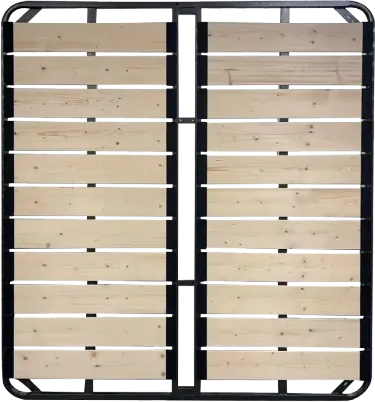
The 15cm Steel-Wood Pine Bed Frame page is the target product reference for this topic. It should be used to identify the product direction: a steel-wood bed skeleton frame with metal frame and multi-point pine slat support for solid wood beds, upholstered beds, custom bed systems and furniture production lines.
The product page does not replace the buyer’s project data. It does not confirm the buyer’s king-size mattress dimensions, finished-bed interface, required support layout, bracket hole positions, hardware list, packing method, market documentation or acceptance criteria.
The right review question is not “Is this a king size bed frame?” It is “Can this steel-wood pine support structure be configured to match my king-size bed project, and what drawings or samples are needed to prove that?”
When Should Buyers Choose a Different Bed Frame Structure?
The steel-wood pine structure is not the default answer for every wood bed frame inquiry. A buyer may need another product type when the finished bed requires a folding logistics structure, a silent wide-board support system, a fully suspended appearance, a metal-only frame, or a product designed mainly for compact packing.
The decision also changes if the mattress supplier requires a different support surface, if the bed shell has unusual connection points, or if the brand wants visible solid-wood aesthetics rather than a hidden steel-wood support frame. In those cases, the buyer should compare another frame type instead of forcing the 15cm Steel-Wood Pine Bed Frame into the project.
This boundary helps keep procurement accurate. The keyword contains “wood,” but the actual product is a steel-wood pine bed support structure. That distinction should remain visible from RFQ to sample approval.
Build the RFQ Around Quotation Comparability
A complete RFQ for a king size bed frame wood project should include:
- actual king mattress dimensions and market size standard;
- finished bed structure and outer dimensions;
- whether the project needs all-wood, steel-wood or wood-slat support;
- required frame height and vertical assembly relationship;
- metal frame layout and pine slat layout;
- slat quantity, spacing and support-point requirements;
- headboard, footboard, side-rail and bed-shell interfaces;
- bracket, feet, hole and fastener positions;
- included hardware and buyer-supplied components;
- surface finish for metal and wood parts;
- sample approval method and acceptance criteria;
- packing, labeling and size-identification requirements;
- quantity stage and repeat-order expectations;
- supplier deviations, alternatives and missing inputs.
Ask suppliers to return the quotation as Confirmed Size Standard / Steel-Wood Structure / Slat Layout / Hardware Scope / Finish Scope / Packing Scope / Deviation / Buyer Input Required. Once those fields are fixed, buyers can send the project through Shilong’s contact page with a specification that supports technical review and fair supplier comparison.