Queen Bed Frame Height and Support: What Buyers Should Specify
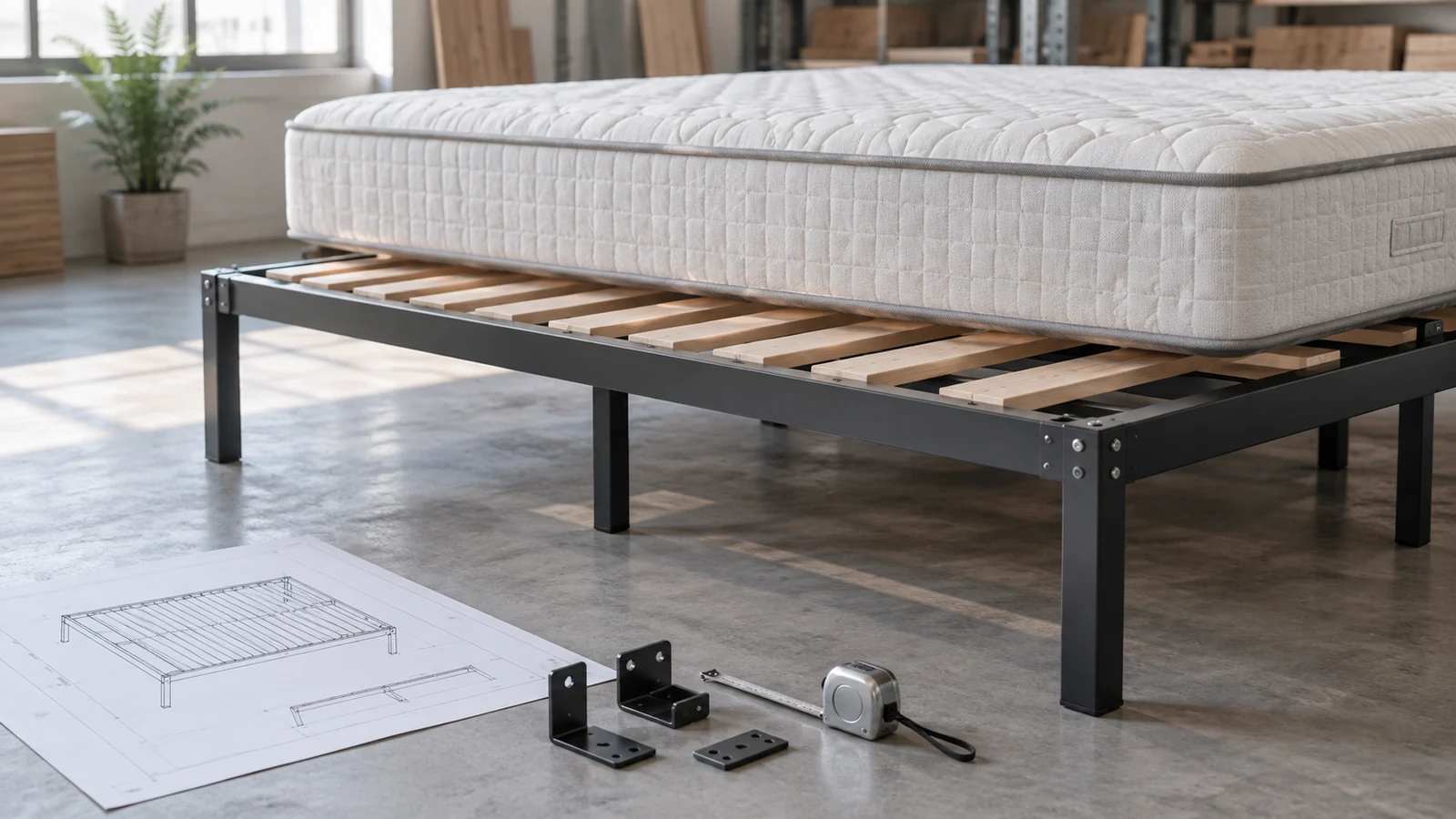
A 16 inch queen bed frame no box spring required request sounds specific, but it is still incomplete as a manufacturing specification. For an OEM/ODM buyer, “16 inch” must be tied to a measurement datum, “queen” must be translated into an approved mattress and internal support size, and “no box spring” must be converted into a defined mattress-support structure. Until those relationships are fixed, two suppliers can quote very different frames while both believing they answered the same inquiry. The practical sourcing task is to turn a retail-style phrase into a controlled drawing, support layout, sample standard and RFQ that can be repeated in batch production.
Start by Defining What the 16-Inch Height Actually Measures
The first risk is the height reference. In a consumer search, “16 inch bed frame” often describes an overall impression of height. In manufacturing, that description is not precise enough. A buyer has to specify the two physical points between which the 16-inch value is measured.
Possible reference points include floor-to-top-of-frame, floor-to-mattress-support-deck, floor-to-side-rail, or a finished mattress height after the mattress is installed. Those are not interchangeable. Changing the datum changes the support-deck position, the visible mattress recess and the usable clearance below the bed. A supplier cannot reliably infer which interpretation the buyer intended.
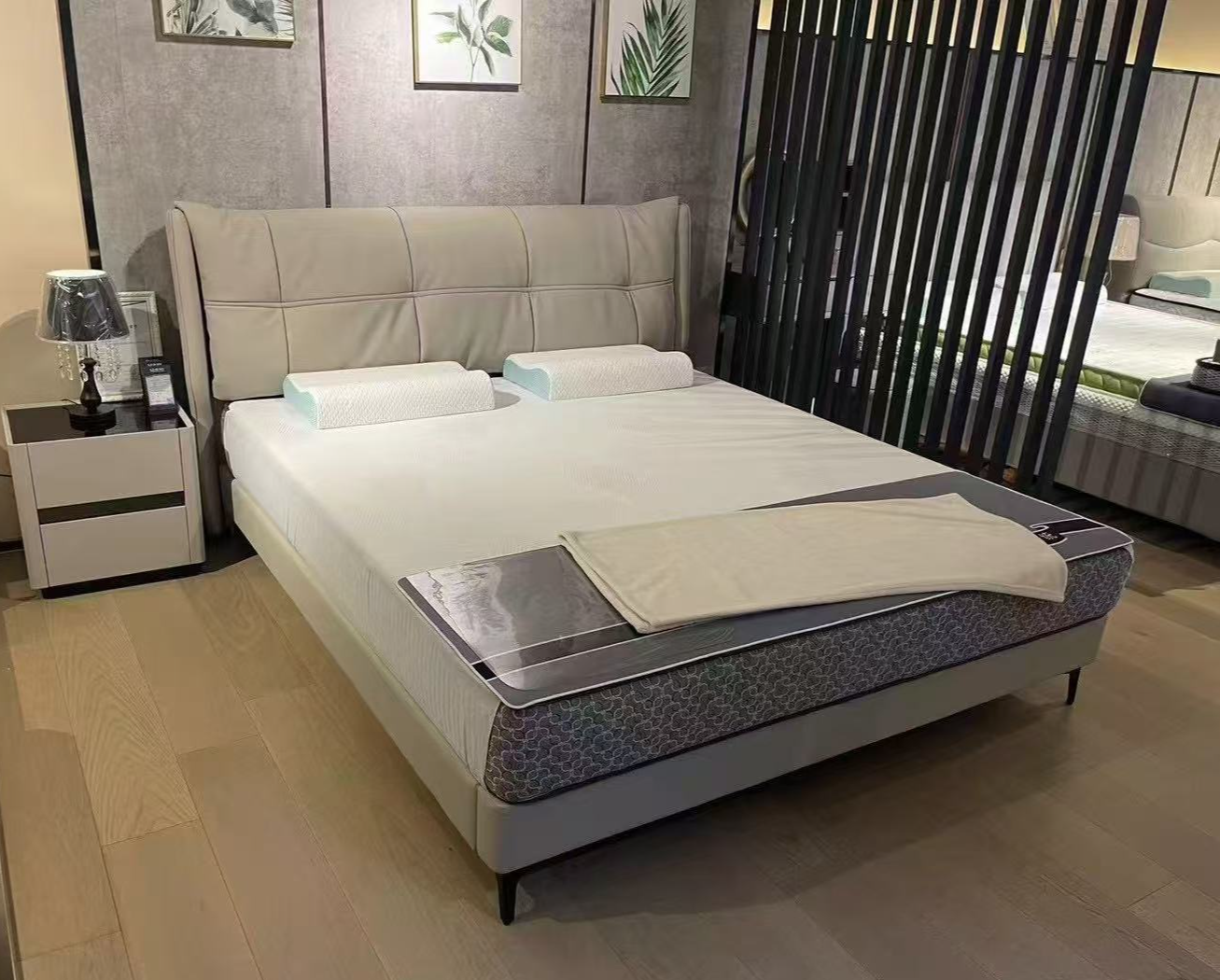
This matters even more when a buyer is trying to source a queen bed frame no box spring configuration. If the support deck sits higher or lower than expected, the mattress can appear too exposed, too recessed, or simply fail to match the surrounding upholstered or solid-wood bed structure.
Queen Bed Frame Size Is a Drawing Question, Not Just a Market Name
A search for queen bed frame size may suggest a familiar mattress category, but an OEM project needs more than the retail size name. The buyer should distinguish the nominal mattress size from the internal support opening, the actual bed support frame dimensions and the finished outside dimensions of the bed body.
These dimensions interact. Mattress size determines the support footprint. The support footprint influences slat length and frame opening. The connection between the support frame and the upholstered or wooden bed body then determines the final external geometry. A tolerance or interface problem at any one of these steps can create installation rework even if the nominal mattress category is correct.
For this reason, bed frame measurements for queen projects should be controlled by an approved drawing or sample rather than by the word “queen” alone. Shilong’s current product information confirms that its steel-wood and folding bed support frames can be customized by overall size, slat arrangement, connection holes, bracket positions and related structural details. The exact queen dimensions, however, still need to come from the buyer’s project requirements rather than being assumed.
“No Box Spring Required” Transfers the Support Job to the Bed Frame
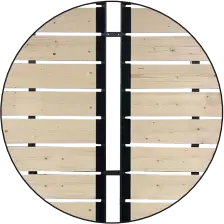
The phrase bed frame without box spring is not merely a marketing label. Structurally, it means the mattress-support function must be provided by the frame-and-slat system instead of by a separate box-spring layer.
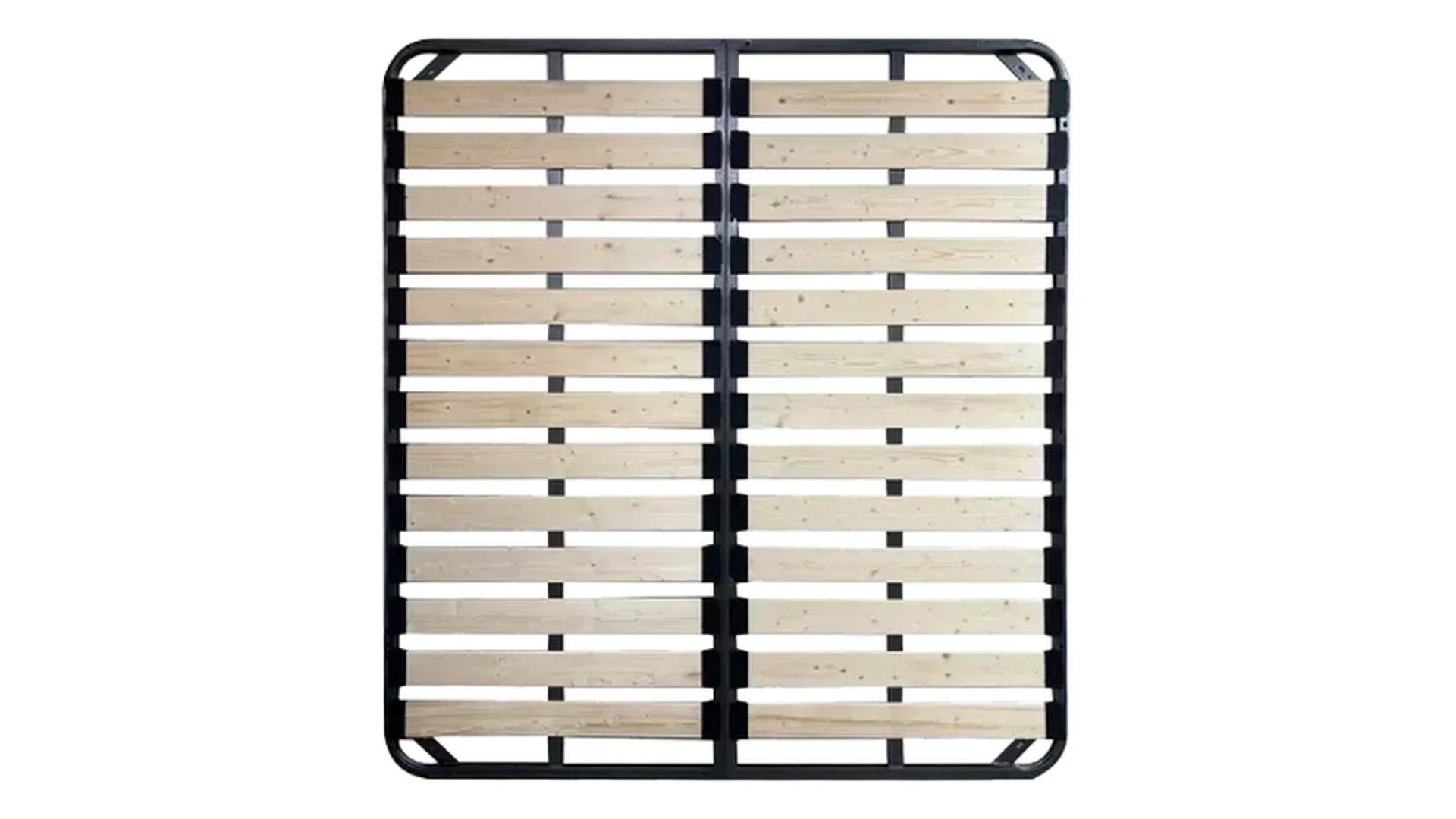
That changes the questions a buyer has to ask. The support frame now needs a defined slat layout, support-row arrangement, center-support concept and connection method. Slat spacing also becomes part of mattress compatibility. If the slats are arranged differently from what the mattress system expects, the buyer can end up with a support surface that does not match the intended product design.
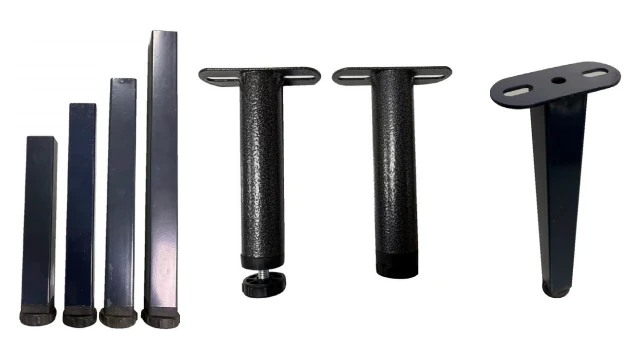
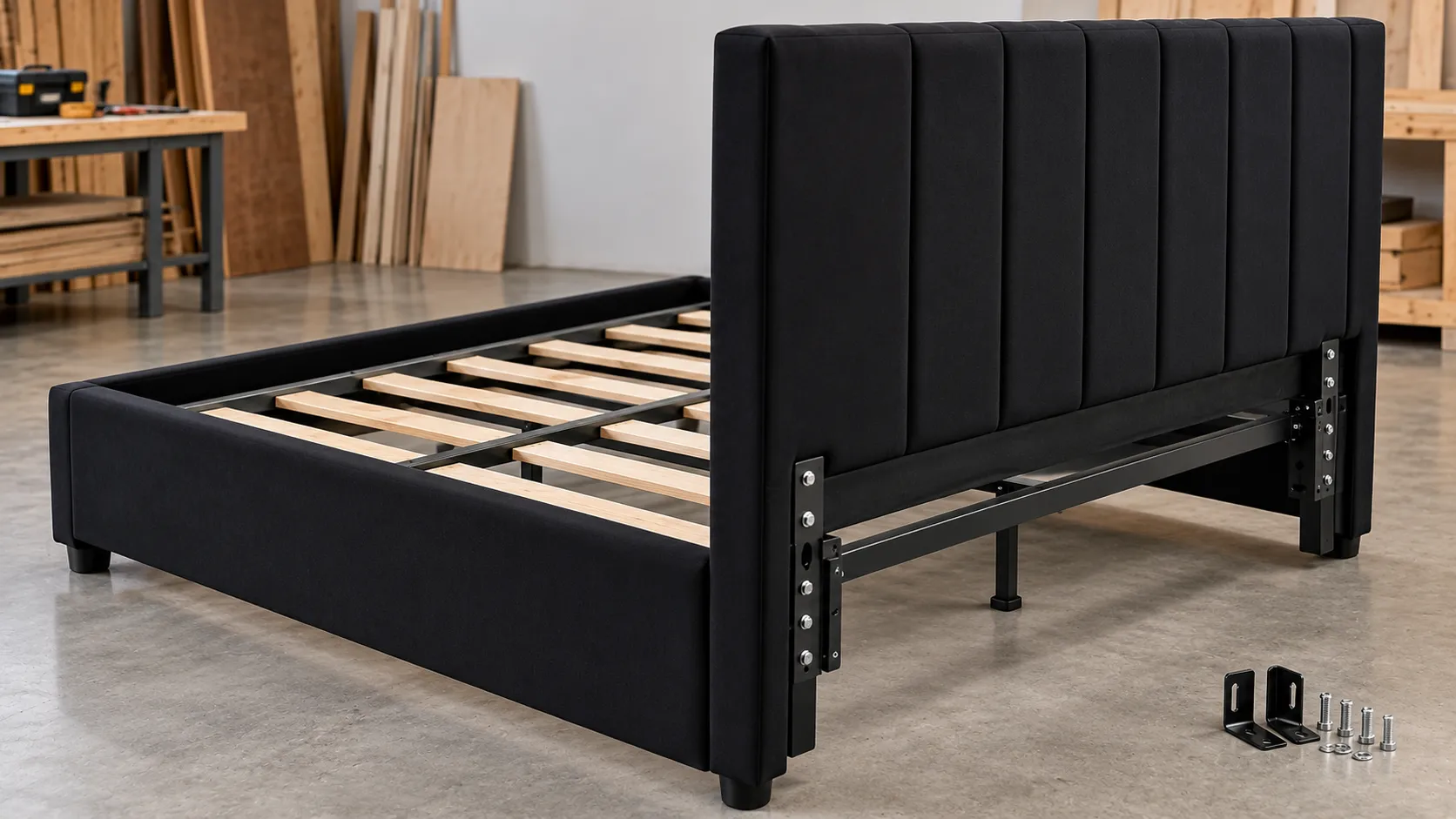
Shilong’s 15cm Steel-Wood Pine Bed Frame is a useful reference for this support-system logic because its verified product description combines a metal frame with wood slats and allows customization of frame size, support-point layout, slat quantity, slat spacing, bracket position and matching feet. It should not be treated as proof of a ready-made 16-inch queen model; rather, it demonstrates the type of configurable support structure that must be translated into the final project drawing.
Slat Layout Matters More Than the “No Box Spring” Phrase
A no-box-spring design only works as intended when the support surface is defined. Buyers should review the slat count, spacing, orientation, support rows and any center reinforcement as one system. Listing these items separately without explaining their relationship is not enough.
If slat spacing changes, the mattress-support pattern changes. If the number or position of support rows changes, the load path through the frame changes. If a center support is added or removed, connector locations and assembly steps may also change. Those structural differences can affect how the frame fits inside the finished bed body and how repeatable the assembly is in production.
This is why a generic platform bed frame concept should not be copied directly into an OEM specification. The buyer needs to define the support geometry for the actual mattress, finished bed body and production process. A metal bed support frame with wood slats can be an effective foundation, but the layout must be approved for the intended project rather than assumed from a retail product label.
Rail Height, Support Deck and Mattress Position Must Be Read Together
Rail height is relevant to this topic, but it should be treated as one variable inside the larger geometry rather than as a separate article. The side rail or surrounding bed-body structure defines where the internal support frame can sit. The support deck then determines how deeply the mattress is recessed and how much of it remains visible above the bed.
A buyer who specifies a 16-inch frame but does not define mattress position can create conflicting instructions: the external profile may meet the target height while the mattress sits too high or too low. The drawing should therefore show the rail section, support-deck elevation and intended mattress reference together.
Freeze the Critical Dimensions Before Sample Production
| Specification Item | What the Buyer Should Define | Why It Matters |
|---|---|---|
| 16-inch height datum | Exact start and end measurement points | Prevents different interpretations of the target height |
| Mattress reference | Approved mattress dimensions or project reference | Defines the required support footprint |
| Internal frame opening | Clear dimensions inside the bed body | Controls fit between the support frame and finished furniture |
| Support deck elevation | Height of the actual mattress-support plane | Controls mattress recess and finished appearance |
| Slat arrangement | Quantity, spacing and support-row concept | Defines how the mattress foundation is built |
| Connection interface | Hole positions, brackets, feet and attachment method | Affects assembly and sample-to-batch repeatability |
| Folding requirement | Fixed or folding structure and fold direction if used | Changes frame geometry, packaging and assembly planning |
| Accessories | Approved feet, brackets and related hardware | Prevents quotation differences caused by different supply scope |
The table is not a substitute for the drawing. Its purpose is to show which dimensions and interfaces must become controlled project inputs. Once these points are frozen, the sample can test the same configuration that the supplier is expected to repeat in production.
Sample Approval Should Test the Whole Support System
A sample should not be approved only because the metal frame can be assembled. For a bed frame metal queen size project, the useful test is whether the complete support system matches the intended furniture structure.
The buyer should verify the actual support-plane height, fit inside the bed body, slat arrangement, connection points, brackets or feet, and the installation sequence. If a folding structure is part of the design, the folded and opened positions should also be checked against packing and assembly expectations.
Shilong’s verified product range includes fixed and folding steel-wood support frames for upholstered beds, solid-wood beds and custom furniture systems. That makes sample-based specification especially important: the buyer is not selecting a single universal stock geometry but defining which configurable structure should become the production reference.
Build the RFQ Around the Variables That Change Manufacturing
A useful RFQ for a 16 inch queen bed frame no box spring required project should make the manufacturing assumptions visible. At minimum, it should communicate the mattress reference, internal support dimensions, 16-inch measurement datum, support-deck elevation, slat layout, connection method, required accessories, fixed or folding structure, quantity and packaging expectation.
Those inputs affect different parts of the quotation. Dimensions and support layout affect the frame structure. Connection details affect hardware and assembly. Folding requirements affect hinges or connection geometry and may change packed form. Packaging requirements affect the final supply scope. If suppliers receive different assumptions, their prices are not directly comparable even when the product name looks the same.
Buyers can review Shilong’s broader bed frame product range to understand the available support-frame concepts. Once the project drawing, mattress reference and installation requirements are defined, the contact and RFQ page can be used to submit those details for model and structure confirmation.