How to Choose a Metal Bed Frame Supplier for OEM/ODM Furniture Projects
How to Choose a Metal Bed Frame Supplier for OEM/ODM Furniture Projects
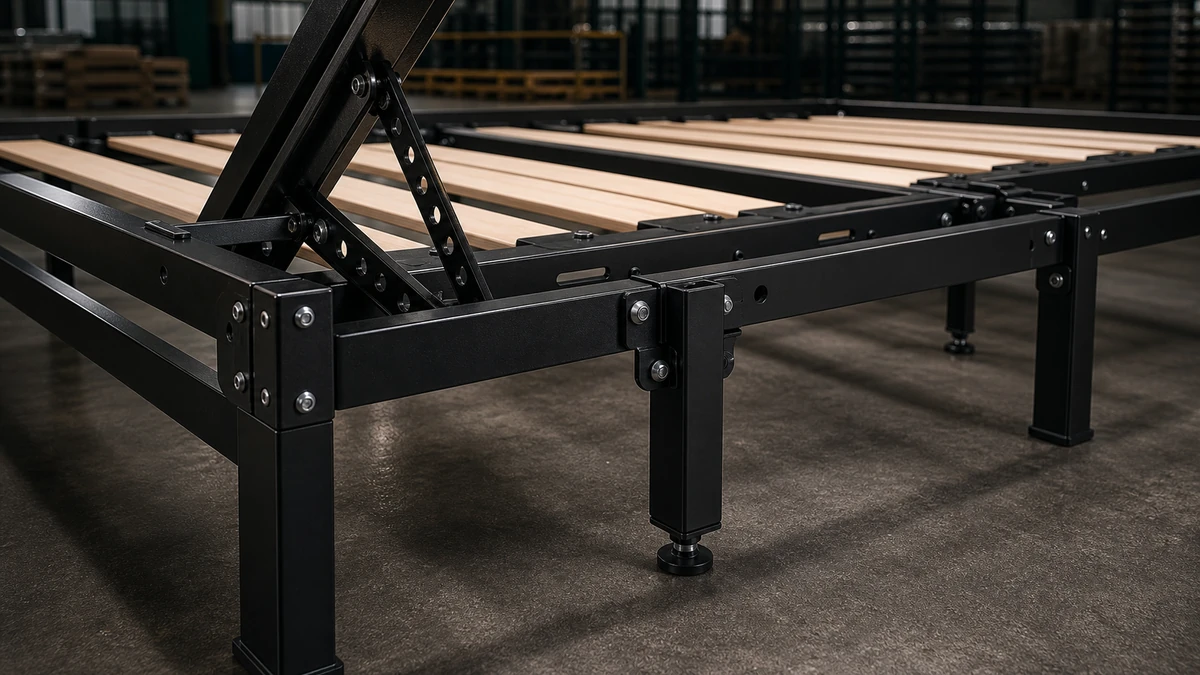
Choosing a metal bed frame supplier is not only a matter of price. For furniture factories, wholesalers, and bed brands, the supplier must understand the structure behind the product. A bed frame may look simple in photos, but it affects stability, comfort, assembly, packaging, and customer satisfaction. For OEM/ODM furniture projects, choosing the right supplier can reduce communication problems and improve production efficiency.
Many sourcing issues appear because the buyer and supplier do not confirm enough details before quotation. A practical supplier should ask about application, size, frame layout, support structure, hardware, surface finish, quantity, and packing requirements. These details are especially important when the product is a custom bed frame rather than a standard stocked model.
1.Check Product Focus and Manufacturing Experience
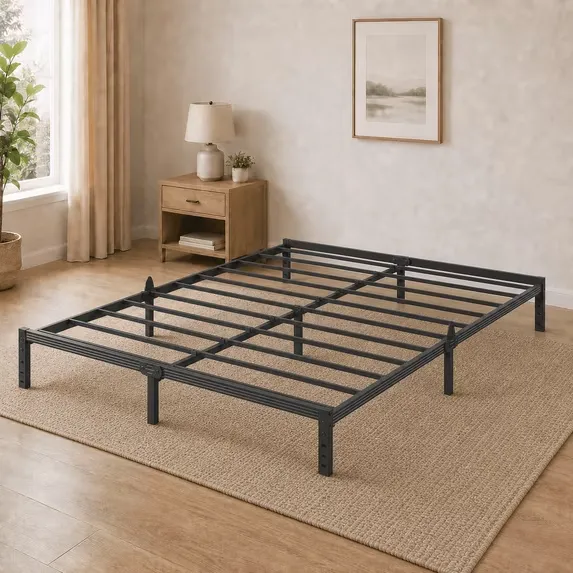
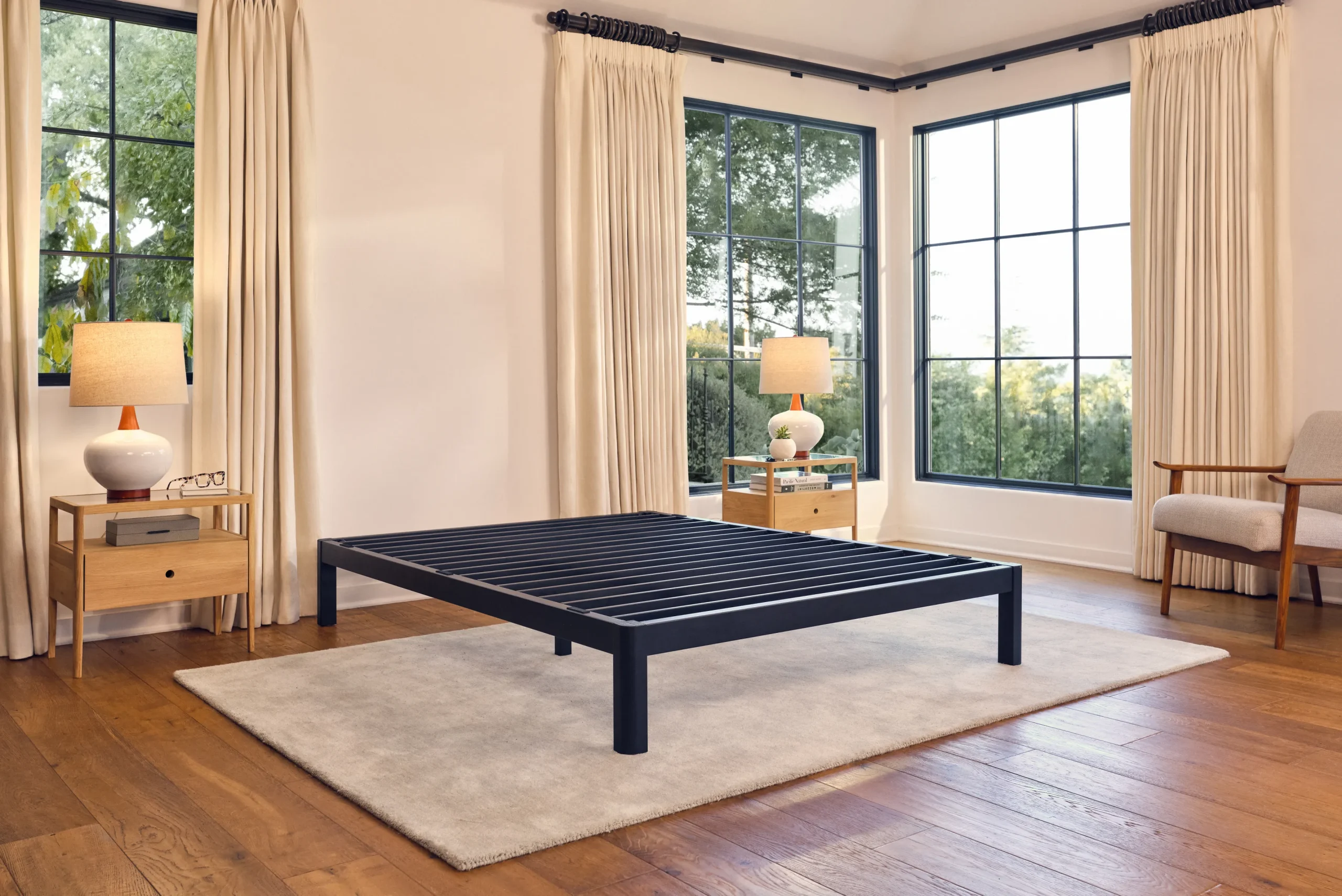
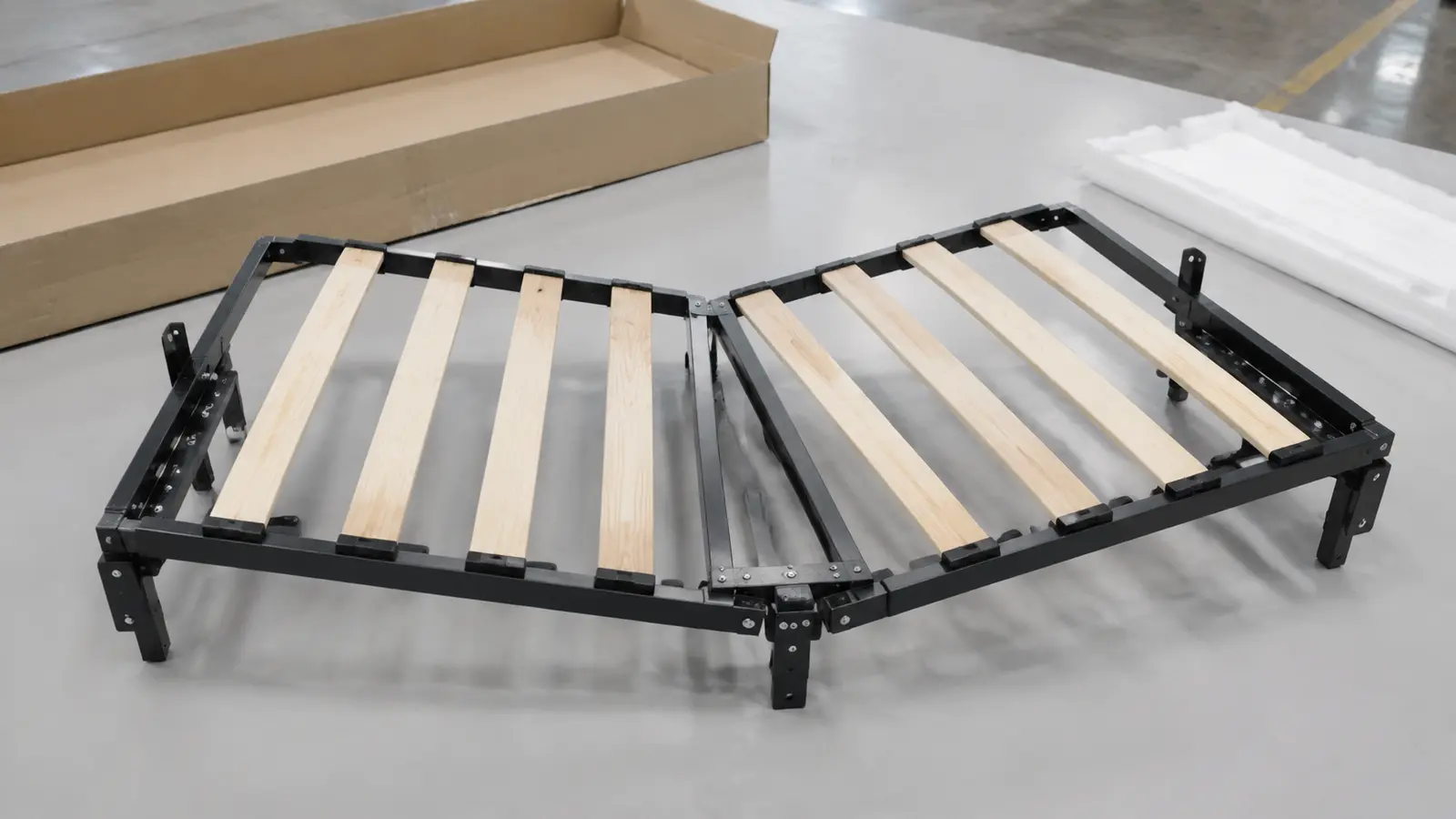
The first thing B2B buyers should check is product focus. A supplier that specializes in bed frames and furniture hardware is usually more prepared to discuss structural details. Bed frame products may include folding bed frames, bed slat frames, steel wood bed frames, suspended bed frames, functional bed structures, and hardware accessories.
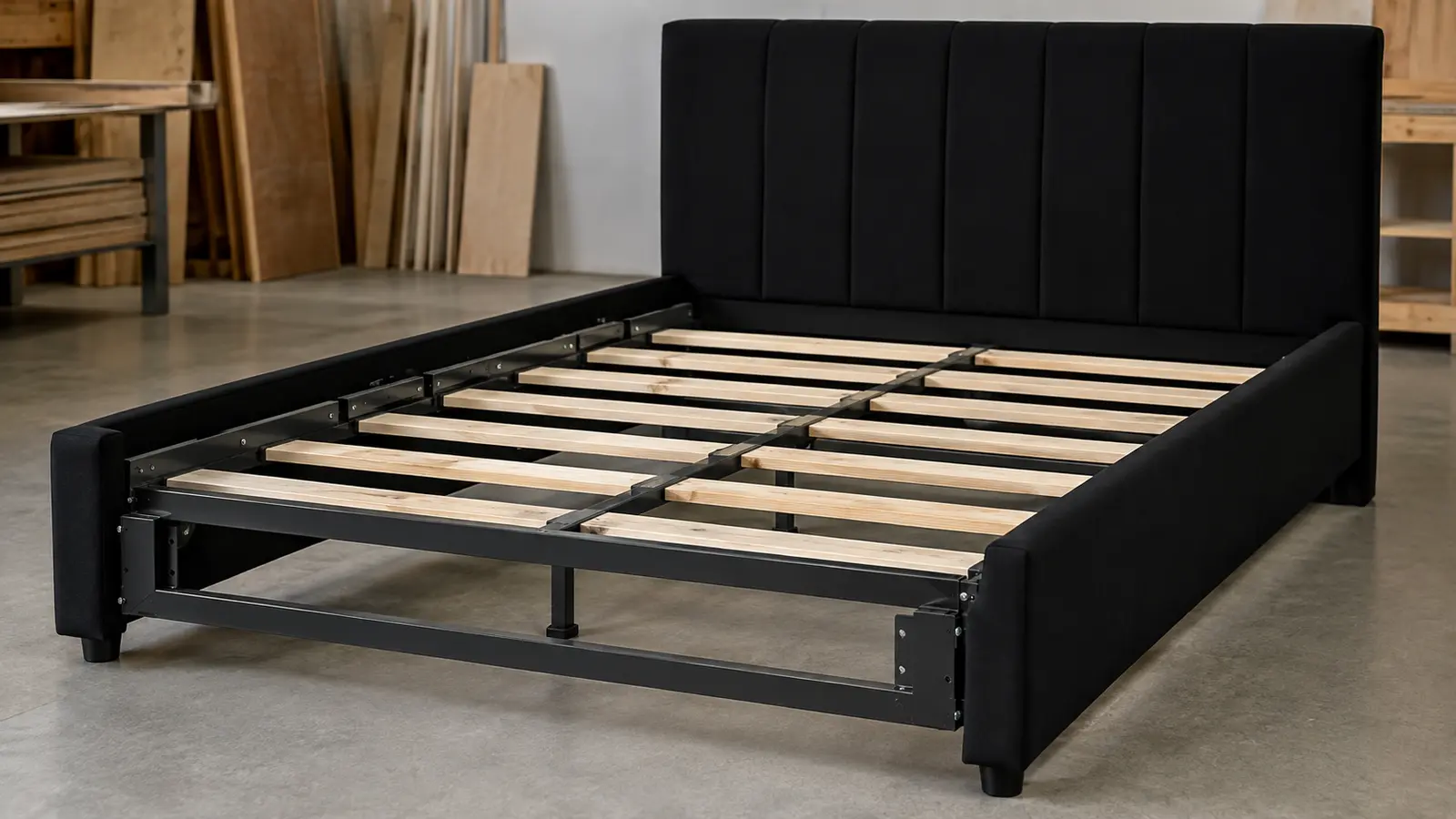
If a supplier only provides product photos but cannot discuss structure, it may be difficult to handle custom projects. Buyers should look for a supplier that can understand how the frame will be used in upholstered beds, solid wood beds, storage beds, functional beds, or customized furniture systems.
2.Evaluate Customization Ability
OEM/ODM buyers often need more than a standard product. They may need a different size, slat spacing, support layout, folding direction, hole position, hardware accessory, surface finish, or packing method. A suitable supplier should be able to work from drawings, samples, photos, or size requirements.
This is especially important when the bed frame must match an existing bed body or a new furniture collection. The supplier should be able to review the structure and explain whether the design is practical for production.
3.Review Hardware Matching Support
A bed frame may need straight feet, T-shaped feet, bed poles, gas springs, corner brackets, or other metal components. These accessories should match the frame structure and bed application. For example, a lift-up bed may require gas springs, while a standard bed support frame may need center support legs or corner brackets.
If the supplier cannot provide hardware suggestions, buyers may face assembly problems later. Hardware matching should be discussed before sample production, not after the frame is already confirmed.
4.Ask Practical Questions Before Quotation
A good metal bed frame supplier should ask practical questions. What type of bed is the frame used for? What is the required size? Does the frame need to fold? How many slats are needed? What is the estimated quantity? What packing method is expected?
These questions help both sides avoid misunderstanding. A quote based on clear details is more useful than a fast price based on incomplete information.
5.Focus on Repeatable Production
For B2B customers, one good sample is not enough. Furniture factories and brands need stable production across batch orders. Buyers should discuss inspection points such as frame dimensions, welding points, surface finish, slat spacing, hardware fitting, folding function, and packaging condition.
Before confirming a supplier, buyers should prepare drawings, sample photos, dimensions, application details, quantity, and hardware requirements. Clear early communication is one of the best ways to reduce risk and improve cooperation.