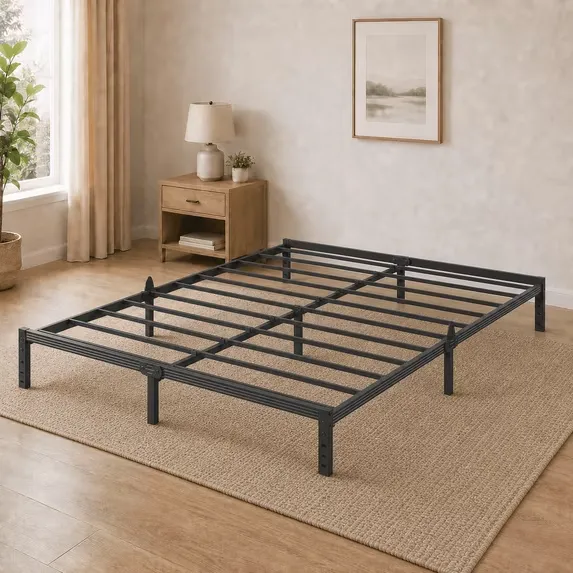
Why Folding Bed Frames Matter for Packaging and Assembly
Why Folding Bed Frames Matter for Packaging and Assembly
Subtitle: A folding bed frame is not only a product structure. It can also support better warehouse handling, transport planning, and furniture assembly efficiency.
Introduction
Packaging and assembly are important parts of furniture production. A bed frame may be strong and well made, but if it is difficult to store, pack, transport, or install, it can still create problems for furniture factories and wholesalers. This is one reason folding bed frames are widely used in modern furniture manufacturing.
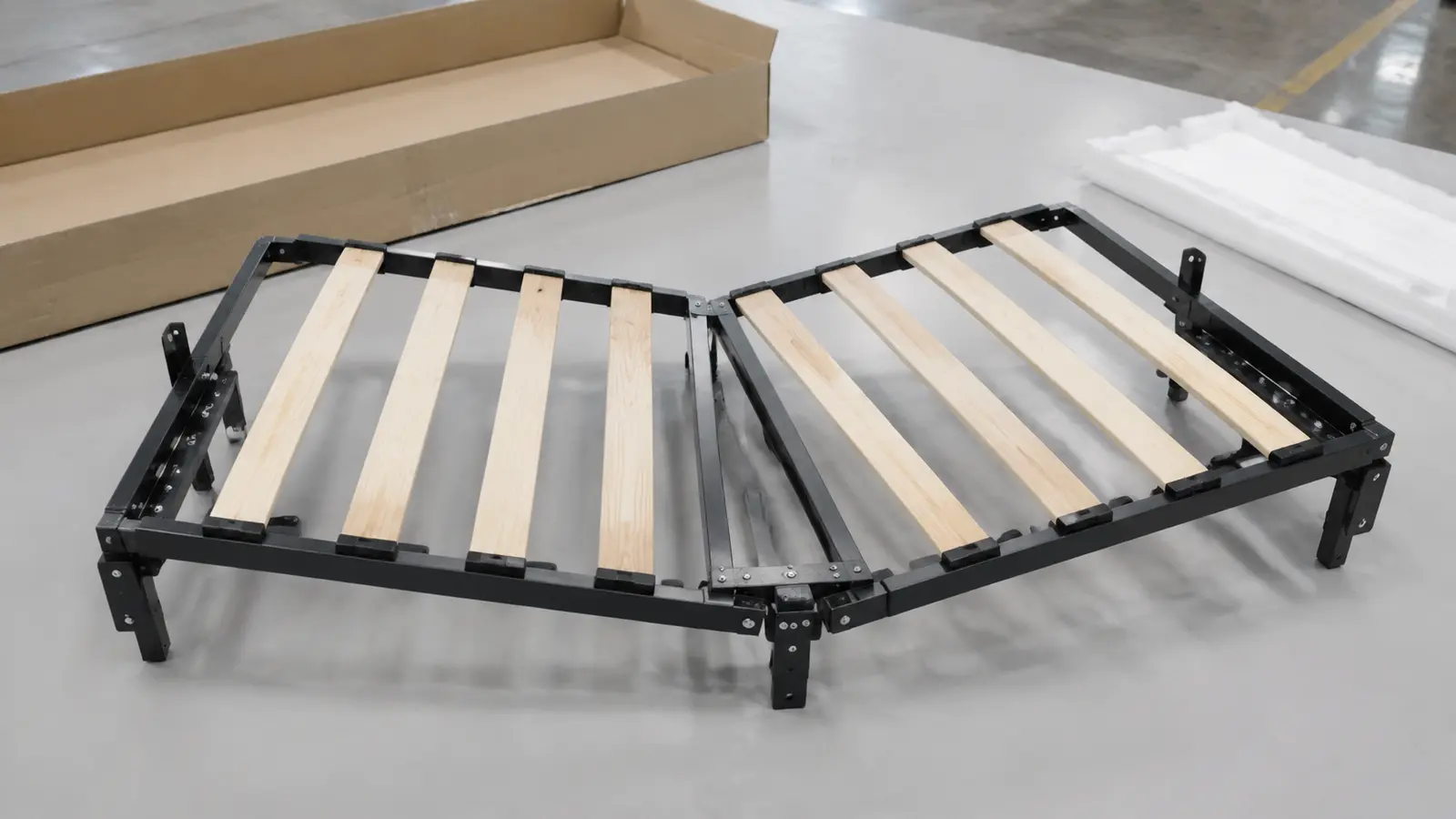
A folding bed frame can help reduce handling difficulty before final assembly. Compared with a fully fixed large frame, a folding structure is easier to move and store. It can also help improve packing efficiency for batch orders. For upholstered bed factories, soft bed manufacturers, furniture wholesalers, and bed brands, this can support smoother production and logistics.
Folding Design Should Still Support Stability
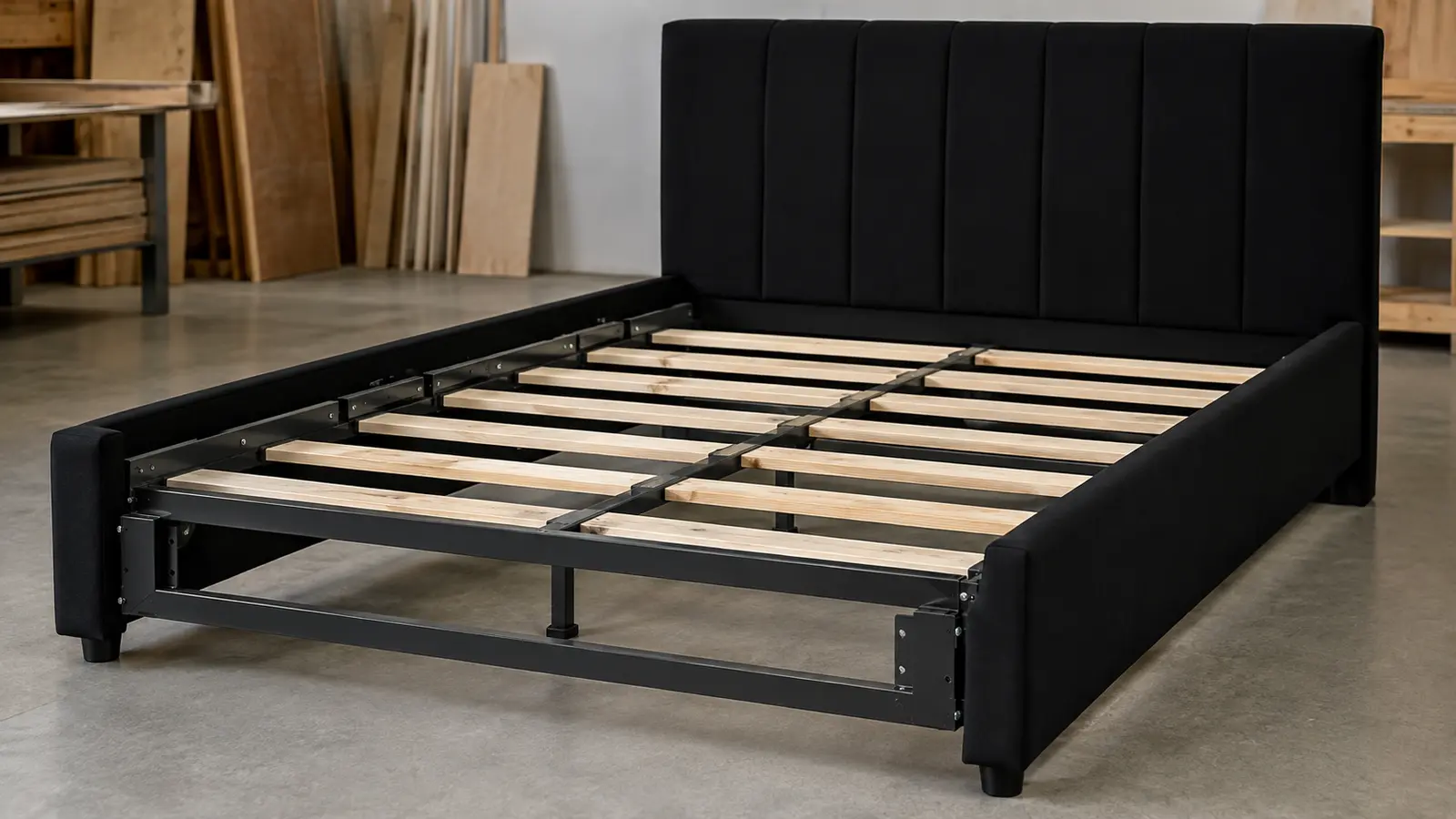
Folding design should never come at the cost of stability. The structure must still support the mattress and match the bed body properly. Important details include hinge position, outer frame strength, center support, slat spacing, corner connection, support legs, and hardware compatibility.
If these details are weak, the final bed may have noise, shaking, or assembly problems. Buyers should not choose a folding bed frame only because it looks convenient. They should confirm whether the structure is suitable for the bed application and whether it can remain stable after installation.
Matching the Bed Application
For B2B buyers, the first question is whether the folding structure matches the product application. A folding bed frame for an upholstered bed may require a different support layout from a frame used in a solid wood bed. A frame for export packaging may need different folding dimensions from a frame used in domestic furniture production.
Custom sizing is often necessary. Buyers should confirm bed size, slat layout, support direction, folding method, hardware needs, and packing requirements before sample production.
Improving Warehouse and Transport Efficiency
Folding structures can improve packaging, but only when the design and packing method are considered together. Buyers should discuss carton size, accessory packing, frame protection, and transport requirements with the supplier. This is especially important for wholesalers and project buyers who need repeated deliveries.
When the folding size is properly planned, the product may be easier to handle in the warehouse and easier to prepare for delivery. However, if the folding direction or packing method is not confirmed, the frame may still create logistics pressure.
Assembly Experience for Furniture Factories
The second question is how the frame will be assembled. Some folding bed frames are designed for quick handling, while others are designed to reduce packing volume. The buyer should confirm whether the frame is easy to open, align, and install into the bed body.
If additional hardware is needed, it should be reviewed before production. Support legs, brackets, screws, bed poles, and other accessories should be packed and labeled in a practical way, so downstream assembly teams can use them efficiently.
Repeatable Quality Across Bulk Orders
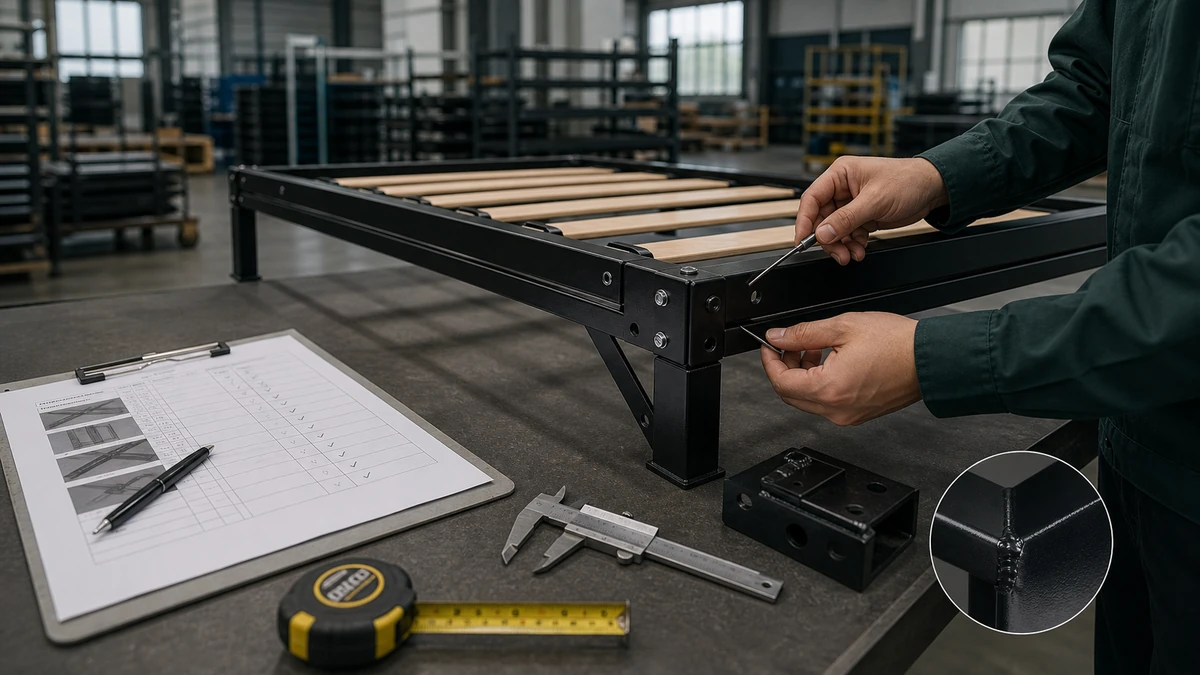
A sample may fold correctly, but batch production needs stable dimensions and consistent welding. Slat spacing, hinge position, and support structure must remain reliable across orders. For furniture factories, this is essential because inconsistent frames can slow down assembly lines.
In short, a folding bed frame should be viewed as both a product structure and a supply chain solution. It needs to support the bed properly, but it also needs to make sense for factory handling, warehouse storage, and customer installation.