Heavy Duty Bed Frames: What Determines Load Capacity?
A heavy duty bed frame gets its load capacity from the complete support system—not from one thick steel tube or a large number printed in a product listing. The mattress base, crossbars, side rails, joints and feet all transfer loads to the floor. The type, direction and duration of that load also matter. A static load statement is not automatically a promise of performance under repeated movement or impact. Furniture buyers should verify the exact model, dimensions, load definition and available test records before approving a frame for a hotel, rental property or furniture collection. This guide explains the structural questions to ask and how to interpret a manufacturer’s product specifications without treating marketing terms as measured performance.
What Makes a Bed Frame “Heavy Duty”?
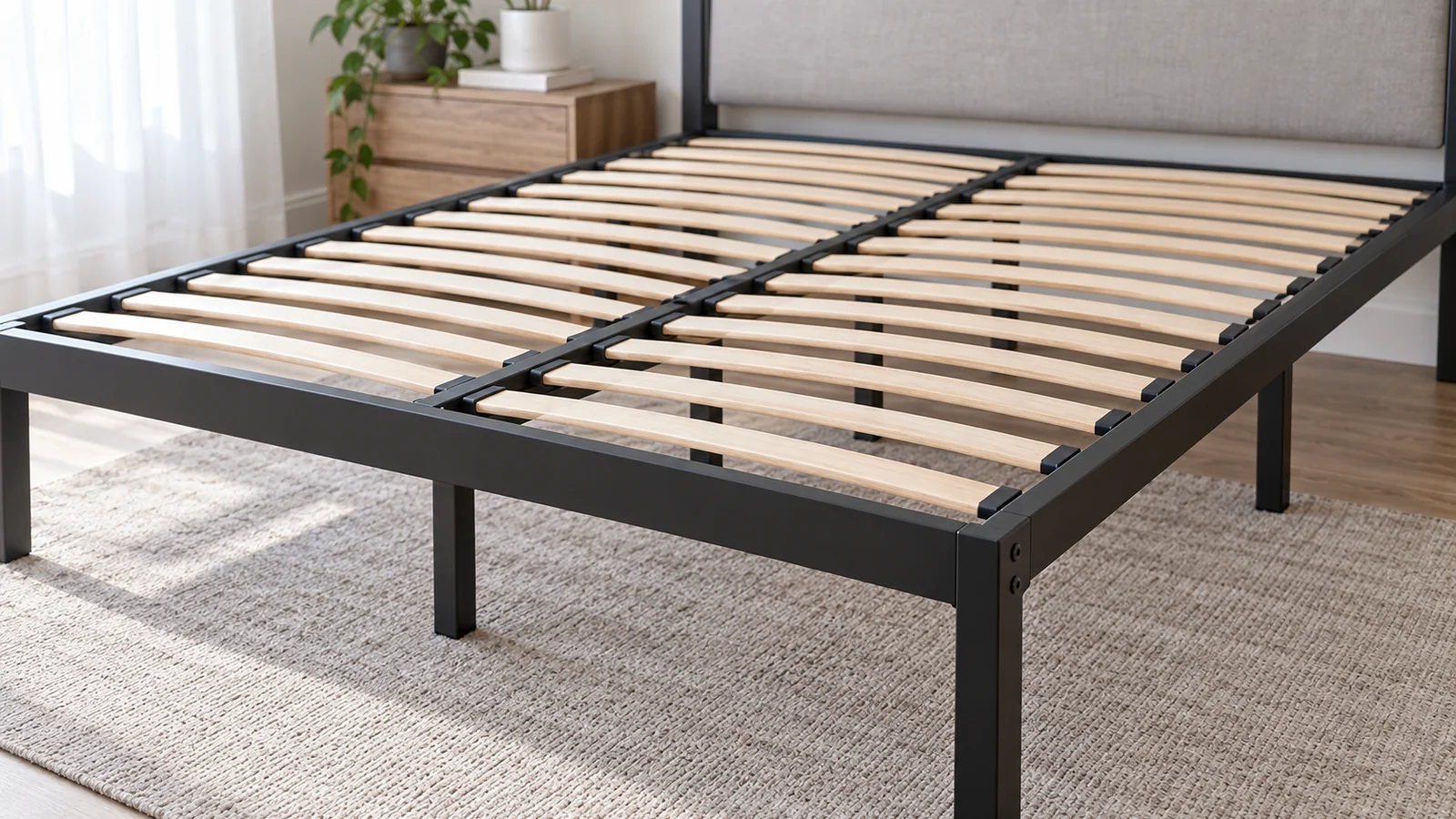
Heavy duty is a product description, not a standardized load rating on its own. A metal bed frame may use reinforced crossbars, a central rail, additional contact points or a different tube section to handle its intended duty. These features can contribute to strength and stability, but their effectiveness depends on how they are connected and loaded.
Shilong lists a Heavy Duty Metal Platform Bed with a reinforced structure and a published maximum static load of 1,000 lb. That is a listing for the named product, not a verified performance figure for every Shilong model or every size. The test method, applied load distribution and applicable configuration should be confirmed before using the number in purchasing specifications.
How Does Load Travel Through a Metal Bed Frame?
From Mattress Surface to Crossbars
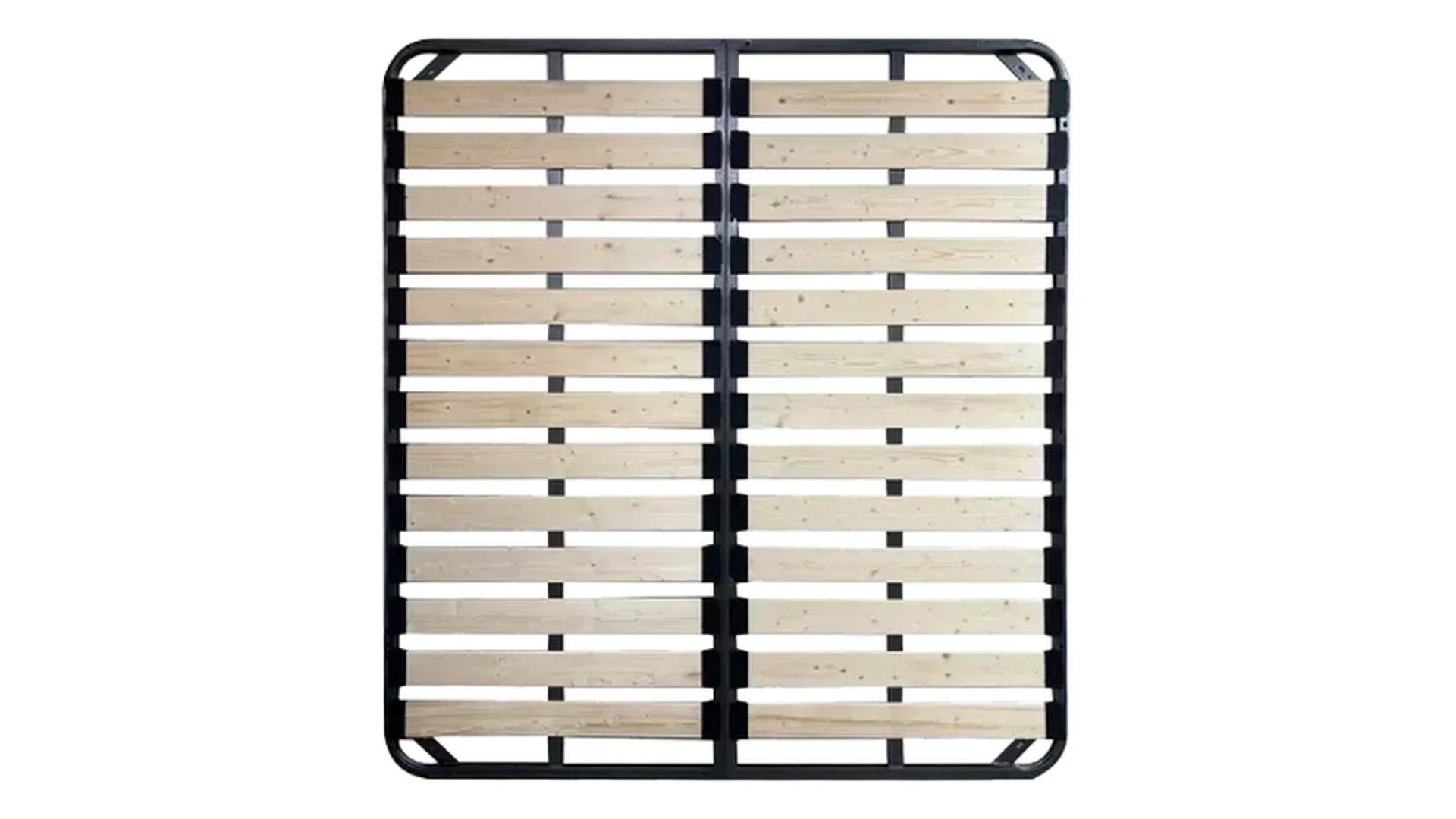
Loads enter through the mattress and its support surface. Slats or metal members distribute that load to crossbars and longitudinal rails. Local deformation may be affected by the size of the unsupported area, the spacing of support members and the way each member is fixed.
From Rails and Joints to the Legs
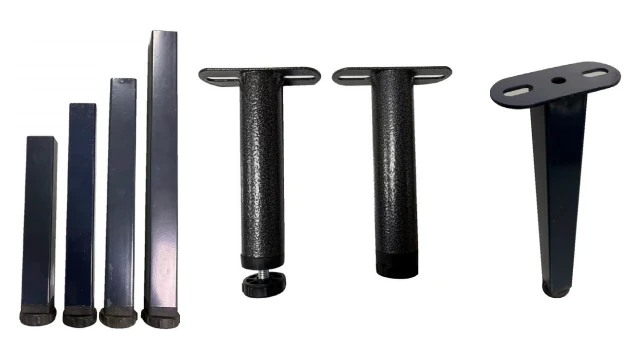
Frames pass forces through bolted or welded connections to their legs and the floor. A frame with many legs may still be unstable if some do not contact the floor correctly or if joints loosen in service. Leg position, mounting geometry and assembly tolerances matter along with leg count.
| Load-path element | Main design question | Buyer confirmation |
|---|---|---|
| Support surface | How is load spread across the mattress base? | Slat/platform layout and allowable gaps |
| Crossbars | What spans do they carry? | Number, section and attachment points |
| Side and center rails | Where are longitudinal loads transferred? | Rail layout and intermediate support |
| Connections | Can members transfer load as designed? | Weld detail, fasteners, assembly instructions |
| Feet and floor | How does the frame remain supported? | Leg position, contact, floor requirements |
Why Do Steel Tube Dimensions and Connections Matter?
Rectangular Tube Geometry Is Not a Load Rating
Shilong publishes a 30 × 50 mm rectangular tube description for its heavy duty platform bed. This identifies two nominal cross-section dimensions but does not by itself state the tube wall thickness, steel grade, orientation or allowable load. Bending and stability depend on those details, as well as the support span and overall frame configuration. Do not compare two frames solely by one tube dimension.
Welded and Bolted Frame Connections
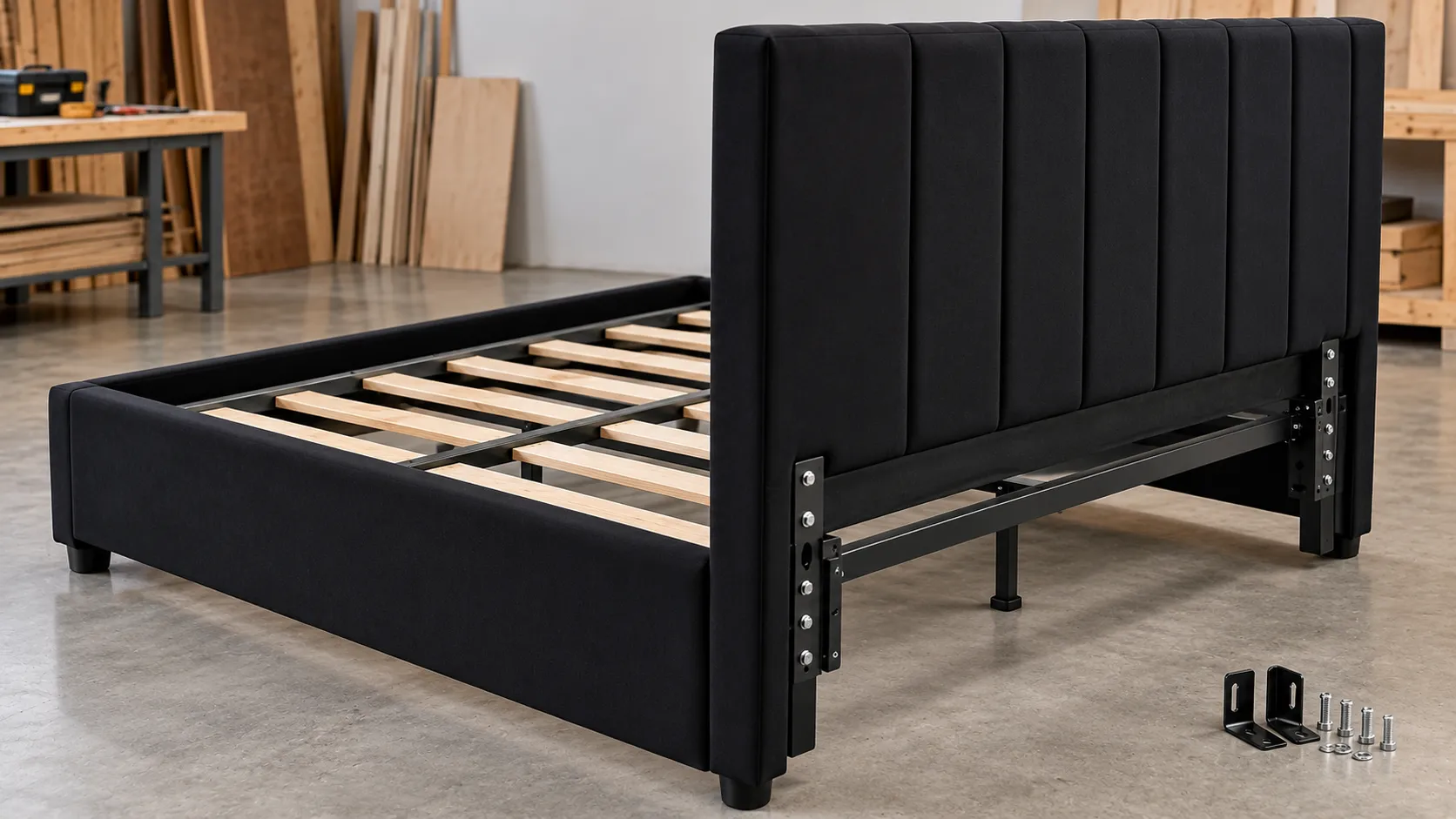
Welded connections and bolted joints create different production and assembly requirements. Buyers should check the actual drawing, joint access, fastening method and assembly sequence. A loose fastener or a poorly aligned component can influence stability regardless of how much steel the surrounding frame contains.
Cross Reinforcement and Deflection
Reinforcement can shorten unsupported spans or change how loads move across a frame. It should be evaluated for the particular bed size and expected loading. Extra crossbars are not an automatic substitute for a coherent support design.
Static Load vs Everyday Use: What Does Weight Capacity Mean?
Static loading describes forces applied under a specified, generally non-moving condition. Real use can include concentrated sitting loads, changing weight distribution and repeated movements. Dynamic or repeated loading is not equivalent to a single static-load number. A rated figure only becomes useful when its test conditions and applicable model are clear.
| Load condition | What it tests or represents | What should be confirmed |
|---|---|---|
| Distributed static load | Weight spread over a defined area | Placement, duration and test method |
| Concentrated load | Force applied over a smaller area | Load location and acceptance criteria |
| Repeated use | Loads applied over many cycles | Applicable durability protocol and results |
| Impact or misuse | Short-duration or unintended loads | Design limits and safe-use instructions |
For example, the 1,000 lb maximum static-load statement on Shilong’s platform-bed page should not be presented as a long-term durability guarantee. Ask which bed size and assembly it applies to, and whether a report supports the requested commercial-use conditions.
Do Queen and King Heavy Duty Bed Frames Need Different Supports?
Changing from queen to king size changes dimensions and may increase the span carried by support members. A larger assembly can require a revised center rail, different leg placement or additional structural review. Even when a product family offers Twin, Full, Queen and King options, the same performance rating should not be assumed across every configuration without model-specific evidence.
For custom sizes, compare the approved drawing with the sample assembly. Check the center support, end brackets, edge stiffness, bolt positions and whether the mattress base still meets the selected mattress’s support instructions.
What Matters for Hotels, Rentals and Commercial Accommodation?
Commercial-use bed frames may be assembled, inspected and used more frequently than those in low-use settings. Operational considerations include joint access, replacement of damaged hardware, surface finish, floor contact, cleaning clearance and ease of assembly. A strong frame that cannot be inspected or serviced may be unsuitable for a project with frequent room turnover.
Shilong identifies hotels, rental housing, apartments and dormitories as possible applications for its heavy duty platform bed. Those listed applications do not establish compliance with any particular hospitality tender, local safety rule or strength standard. Project requirements need separate review.
How Do You Verify a Heavy Duty Bed Frame Before Ordering?
A drawing and sample review is more useful than a comparison of maximum-load numbers without test context. Shilong also describes a Custom Metal Bed Base with a carbon steel frame and optional poplar or birch slats. Its published configuration options and load descriptions are separate from those of the heavy duty platform bed; do not combine them into one model specification.
- Identify the exact model and bed size. Record frame height, overall dimensions, and intended mattress or support system.
- Confirm member specifications. Request tube section, wall thickness, steel grade if relevant, support arrangement and joint details.
- Define the load statement. Ask whether a claimed rating is static, distributed, concentrated or validated under repeated cycles, and obtain the scope of any test record.
- Check assembly requirements. Verify fastener type, torque instructions if specified, leg installation and adjustment procedures.
- Approve the sample. Check alignment, joint fit, assembled support, potential noise sources and project-specific acceptance criteria.
- Freeze production details. Keep approved drawings, hardware lists, packaging specifications and model revisions together for repeat orders.
Where an engineering or load-testing requirement is critical, request the corresponding approved documentation instead of relying only on a supplier’s descriptive page.
Frequently Asked Questions
Does a thicker steel tube always make a bed frame stronger?
No. Tube wall thickness is one factor; steel grade, section shape, length, reinforcement, joints and support placement also influence performance.
Is static capacity the same as long-term durability?
No. A static-load figure does not establish performance under repeated loads, impact or years of use. These require suitable evidence for the chosen design.
Can every bed size in a product range use the same load rating?
Not automatically. Changes in dimensions and support layout can affect performance. Confirm which exact model and assembly each rating covers.
Final Considerations
To assess a heavy duty bed frame, examine the complete load path and the conditions behind any capacity claim. For a Shilong project, send the intended bed size, application, expected loading, drawings and order quantity to discuss which frame structure and verification documents are relevant.